
Request a move quote
Want to move to Toronto? Considering moving to Montreal? Or thinking about an international removal to Vancouver. Here’s the moving advice you’ll need for any international removal to Canada…
To make navigation of this page easier for you, we have added the below clickable menu and return buttons throughout.
Everything you need to help you plan your international move to Canada.


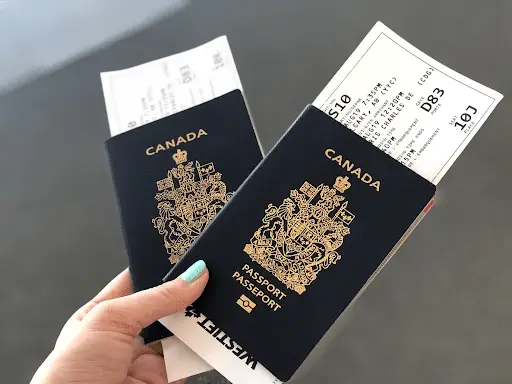
Moving to Canada is not a simple task. The country has strict immigration laws and there is a lengthy application process, whichever route you choose. There are many steps involved in getting an immigration visa approved, which can take months or, in some cases, years. Much like the USA, this is for a fixed time period too and it’s difficult to make the move to Canada permanent.
Despite the lengthy process involved, there are many answers to the question “how to move to Canada from the UK permanently?”. A visa is required to enter the country, which will authorise your presence for a specific purpose and length of time. Which type of visa, or which route you take, will depend on your personal circumstances of the move i.e. whether you are British and moving to Canada for work, family, or other reasons. Some popular programs and visa options are listed below:
For the immigration process, there are a number of documents you might need to have prepared. This includes not only the lengthy visa process but also when you arrive at customs in Canada.
For certain visas, you may also need to provide proof of employment in Canada before you can acquire authorisation.
When moving to Canada for work for a long period of time, is it natural that you will want to bring household goods and personal effects with you. These will normally be transported in a household shipment and can arrive with you or be sent at a later date.
It is also possible to import items free of duty taxes, provided that you have owned and used the goods prior to arrival in Canada. You will also need to provide documentation to accompany your items when planning an international removal to Canada, a list of which is shown below.
We recommend providing these as soon as possible to reduce delays with your removal to Canada. Late receipt of documentation can lead to missed shipments, additional charges and penalties at Canadian Customs. For your own protection, we will almost never ship your goods without the above in place.
If you are importing antiques and artifacts to Canada as part of your household shipment, no extra documentation is required. However, you will need proof of age if the items are over 100 years old. The items are permitted duty-free entry if the following conditions are met:
Antiques and works or art imported into Canada for resale, are subject to different regulations.
The owner of the goods must be present for Customs clearance, or use a licensed Customs broker to handle the clearance on their behalfReturning Canadians may import household goods and personal effects duty free under the following conditions:
Shipments must be declared to Customs at the port of entry (POE) (airport/U.S-Canada border) when the owner of the goods arrives in Canada.Customs will then issue documents needed for Customs clearance:
Customs may request a value on the shipment (for returning citizens). For immigrants and holders of work / students visas, the goods must be owned and used prior to importation and the shipment must not include goods that are to be sold or otherwise disposed of 12 months after importation for duty-free import. Any single item of household goods or personal effects, including automobiles, that were acquired after March 31, 1977, and are valued at more than $10,000 are subject to regular duty and taxes on the excess amount.
Seasonal residents may import household items and personal effects duty free under the following conditions:
The Canadian Government adopted ISPM-15 (International Standards for Phytosanitary Measures Publication 15) Guidelines for Regulating Wood Packaging Material in International Trade (aka NIFM-15) to standardize the treatment of wood packing materials used for the transport of goods. ISPM -15 requires that wood packaging either be heat-treated or fumigated with methyl bromide and marked with the internationally recognized International Plant Protection Convention (IPPC) mark, or in lieu of the mark, the consignment must be accompanied by a phytosanitary certificate specifying the treatment used.
Gerson Moving Services is vastly experienced in international removals to cities all over the globe. Their long history and detailed knowledge of different countries makes them the perfect choice for your move. Here are some of the most popular destinations we are asked to move people to in Canada:
Calgary (Alberta), Edmonton (Alberta), Vancouver (British Columbia), Surrey (British Columbia), Winnipeg (Manitoba), Saint John (New Brunswick), St. John’s (Newfoundland and Labrador), Halifax (Nova Scotia), Toronto (Ontario), Ottawa (Ontario), Mississauga (Ontario), Brampton (Ontario), Hamilton (Ontario), London (Ontario), Markham (Ontario), Montreal (Quebec), Québec (Quebec), Laval (Quebec), Saskatoon (Saskatchewan), Regina (Saskatchewan).





If you’re moving to Canada, it’s very likely you’ll need to exchange a significant amount of currency. Many people lose out by using their bank, assuming it’s the only option. However, there are specialist currency exchange providers that offer more competitive rates and can help you save thousands. To find out how to make your money go further during your move, speak to one of our move managers, click here, or give us a call: +44 20 7097 5335.
We always advise taking out move protection liability cover with us on every move. Although we like to think we’re the best in the industry, the odd accident can occasionally happen. For added peace of mind, make sure to speak to one of our move managers about this.
As it’s such a large country, you may wish to relocate to Canada with your own car or motorcycle. Before deciding to do so, you should consider all the factors of your move, including your new residence, if you’re moving to Canada for work where you will be commuting to, and nearby public transport connections. If you decide that it will be necessary and worthwhile to transport your own vehicle to Canada, there are many requirements that your vehicle must comply with.
You must have owned and used your vehicle for more than 6 months before it can qualify for tax and duty exemption. If you are entering Canada on a temporary basis i.e. with a work permit or student visa, duty and tax will be waived for the duration of this permit. Returning residents will benefit from tax and duty exemption applied to the first $10,000 of the vehicle’s value.
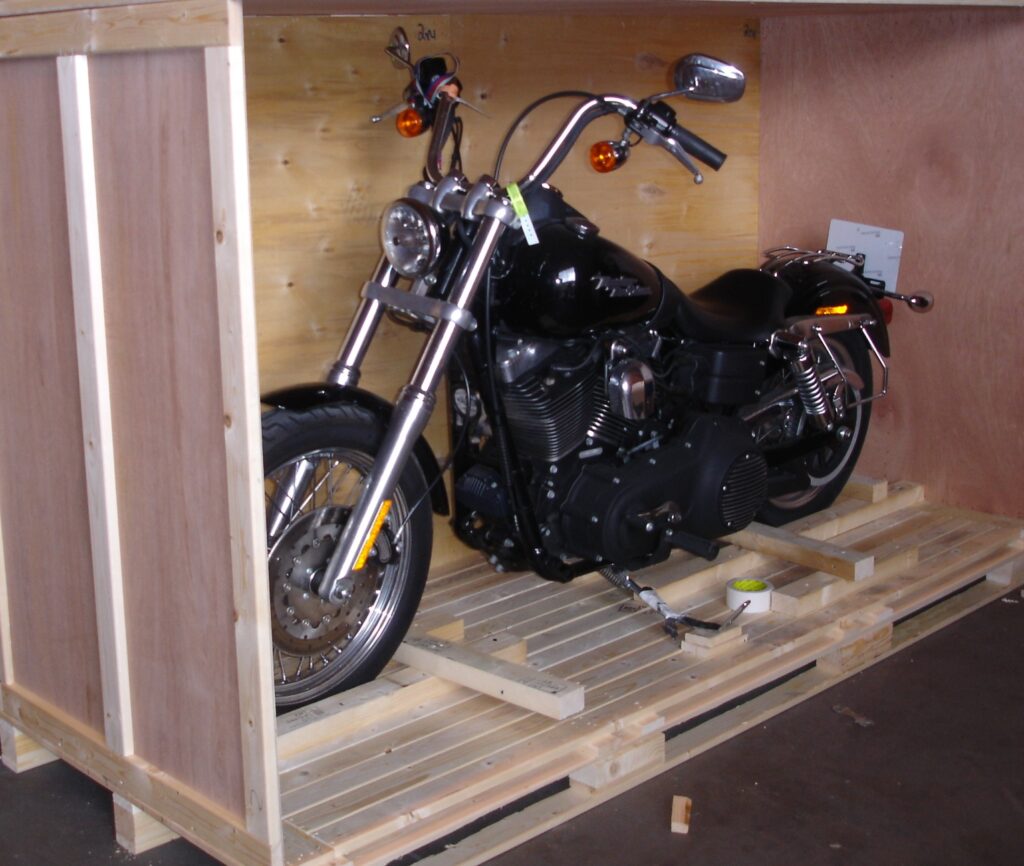

Arriving in Canada, your vehicle must be clean, free of any soil or contaminants and also not contain any household goods or personal affects. It’s a good idea to have your car steam cleaned and include proof of cleaning with the import documents for your vehicle. Upon entry to Canada, your vehicle will be inspected by the Canadian Agricultural Inspection Agency. Your car or motorcycle must comply with Canadian standards to be allowed through customs and to be registered in Canada.
Below is a list of the documents you will need to bring and requirements to meet when planning to move your vehicle to Canada:
Prior to relocating your pets to Canada, you should decide carefully whether your pet will be able to acclimatise to their new home. Temperatures in Canada can drop well below zero, even in large cities, so this could make a huge and detrimental impact on your pet. Like in other nations, Canada enforces strict regulations when it comes to importing pets, so make sure to do your research and contact your travel agent before import.
These documents will be required when planning to relocate your pet to Canada:
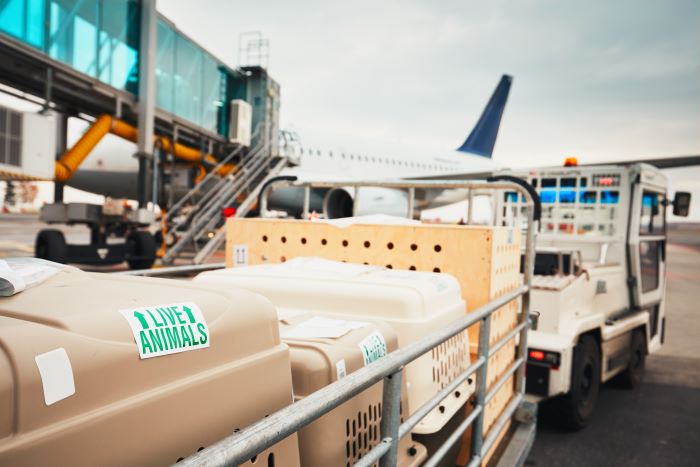
When transporting items as you relocate to Canada, there are some items that are restricted, taxable, or prohibited from entry to the country. Think very carefully before moving these items to Canada. Items on this list will be taxed and/or require specific permission to import. In all cases they must be declared prior to you relocating to Canada:
.
Disclaimer: Customs regulations can change at any time with or without notice. This information is provided as a guide only. While Gerson Moving Services has exercised reasonable care in publishing this information, Gerson Moving Services makes no representation, either expressed or implied, as to its accuracy or applicability.
Real feedback from people who chose our international moving company.
“My move was way less stressful than expected! GMS packed everything, stored it for a week, and moved it all to my new home just as promised!”
“GMS provided a very professional service when we moved to Spain last month. They were easy to work with and moved everything on time.”
Best experience ever! I desperately needed a mover to help with a last minute relocation, and GMS were so helpful in making it a seamless process!”