
Request a move quote
If you’re planning a move to New Zealand, you’ve probably already found the visa process is more involved than most European moves – and the shipping side has its own version of that same care. New Zealand runs one of the strictest biosecurity regimes in the world, and duty-free import isn’t decided by how long you’ve owned your things (as it is almost everywhere else) but by which visa you’re moving on. Get either of those wrong and it costs you time and money at the New Zealand end, not the UK end.
This is also a well-timed move to plan: New Zealand’s Skilled Migrant Category resident visa is being expanded from late August 2026, with two new residence pathways and simplified wage settings – worth knowing if your move is visa-dependent. This guide covers what actually happens to your belongings, your car, and your pets between now and the day the shipment arrives.



Sea freight is the standard method for a household move to New Zealand – it’s one of the longest routes UK movers ship on, and the timeline reflects that.
Groupage (shared container, LCL): Your goods share a container with other customers’ shipments. The most cost-effective option for smaller households or partial moves. Transit time: 8–16 weeks door-to-door, depending on how quickly the container consolidates.
Full container load (FCL): A dedicated 20ft or 40ft container for your move only. More predictable than groupage because you’re not waiting on other shipments to fill the container. Transit time: 10–12 weeks door-to-door.
Cost ranges:
Add MPI biosecurity clearance and inland delivery time once the vessel docks – for planning purposes, treat the transit figures above as port-to-port and allow further time at the New Zealand end.

At most destinations, whether your household goods are duty-free depends on how long you’ve owned them (usually 6–12 months). New Zealand works differently: it’s about your visa, not your goods.
You qualify for duty and GST-free import if you have arrived in New Zealand and hold one of the following:
If your visa doesn’t meet one of these thresholds, most furniture, kitchenware, and electrical goods attract 5% duty on the landed value, footwear attracts 10%, and 15% GST is then charged on the landed value including the duty. Personal jewellery, books, and clothing are exempt regardless.
One detail that trips people up: you (the owner) generally need to be physically present in New Zealand when the shipment arrives, or duty can apply even on an otherwise qualifying visa. Your move manager will time the shipping schedule around your actual arrival date, not just the booking date, to avoid this.
Documents you’ll need:
This is the part of a New Zealand move that generic shipping guides mention in passing and then move on from – it shouldn’t be an afterthought.
The Ministry for Primary Industries (MPI) enforces New Zealand’s biosecurity rules at the border, and it takes them seriously: New Zealand’s isolated ecology and agricultural economy are genuinely vulnerable to imported pests, seeds, and soil-borne disease. Any item that has spent time outdoors, in a garden, or in contact with soil, grass, or vegetation needs to be thoroughly cleaned before it leaves the UK. In practice that means:
What happens if items arrive unclean: MPI holds the container, inspects it, and cleans or treats flagged items at your cost – a bill that can run well over $800 NZD, plus several days’ delay while it happens. Whole shipments can be held up by a single contaminated item.
Before packing day: tell your move manager which items have been outdoors so they can be flagged for a final check, and clean thoroughly rather than superficially – MPI inspections are stringent, and “mostly clean” isn’t the same as clean.
We always recommend speaking directly to the relevant embassy for the most accurate and up to date moving advice:
Most UK shipments to New Zealand arrive at Auckland, with onward options to other main ports depending on your destination city. After MPI biosecurity clearance and customs processing, your in-country partner arranges inland delivery to your new address.
Your move manager tracks the shipment from the UK side through to port arrival, keeps you updated through the biosecurity clearance process, and flags early if anything in your shipment is likely to be held for inspection – so you’re not finding out for the first time at the border.


Auckland: New Zealand’s largest city and main port of arrival for most UK shipments. The main hub for business, finance, and professional services, and home to the largest concentration of UK expats. Popular suburbs include Ponsonby, Devonport, and the North Shore.
Wellington: The capital, smaller and more compact than Auckland, with a strong public sector, arts, and tech presence. Known for its hills, harbour, and famously changeable weather – pack for four seasons in one day.
Christchurch: South Island’s largest city, rebuilt substantially since the 2011 earthquake, with a growing reputation for lifestyle and space relative to cost. Also the South Island’s main quarantine facility city for pet arrivals.
Queenstown and the wider South Island: A strong draw for lifestyle movers and remote workers, but more remote from major shipping ports – factor in extra inland delivery time and cost if you’re settling outside Auckland, Wellington, or Christchurch.




If you’re moving to New Zealand, it’s very likely you’ll need to exchange a significant amount of currency. Many people lose out by using their bank, assuming it’s the only option. However, there are specialist currency exchange providers that offer more competitive rates and can help you save thousands. To find out how to make your money go further during your move, speak to one of our move managers, click here, or give us a call: +44 20 7097 5335.
We always advise taking out move protection liability cover with us on every move. Although we like to think we’re the best in the industry, the odd accident can occasionally happen. For added peace of mind, make sure to speak to one of our move managers about this.
Here’s the one piece of genuinely good news in this guide: New Zealand drives on the left, the same as the UK, so your right-hand-drive car doesn’t need conversion – unlike almost every other long-haul destination UK movers ask us about.
That doesn’t mean it’s automatic. To import a vehicle duty and GST-free, you need to show:
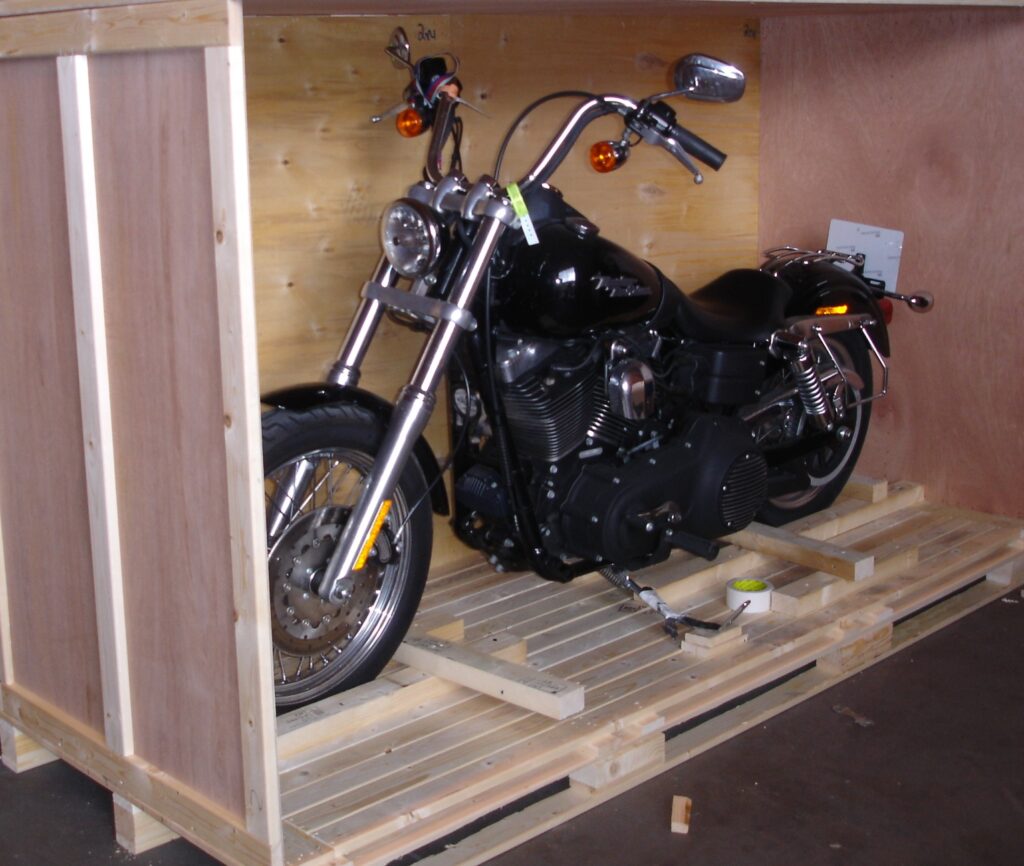
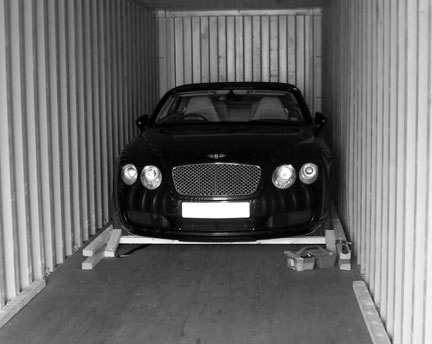
You’ll also need to sign a deed of undertaking confirming the vehicle is for personal use and won’t be sold within 2 years of import – a condition that’s specific to vehicles and doesn’t apply to household goods.
Documents required: passport copy, registration papers proving length of ownership, statement of compliance, owner-of-goods and supplier code forms, sales invoice, and a car condition report.
Costs to budget for beyond shipping: a Warrant of Fitness (WoF) roadworthiness test, an entry certification structural inspection (approx. NZD 200), a compliance examination (approx. NZD 450), and transport to the compliance centre if the vehicle isn’t driveable (approx. NZD 150). Average UK-to-NZ vehicle shipping cost is around £3,800, on top of these local fees. If the vehicle doesn’t meet biosecurity standards on arrival, mandatory cleaning adds a further cost, typically over $800 NZD.
If you don’t meet the 12-month ownership and residency conditions, 15% GST applies to the vehicle’s landed value. Your move manager can arrange vehicle transport by container alongside your household shipment – confirm this at the survey stage.
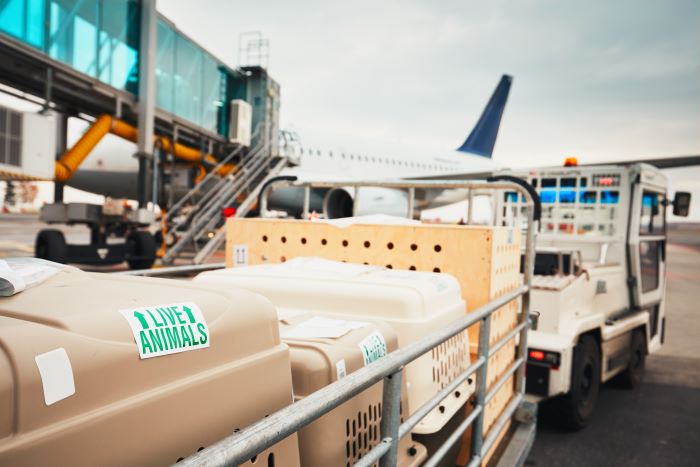
Cats and dogs can move to New Zealand, but this is the part of the process that needs the most lead time of anything in this guide.
Specialist pet relocators manage the MPI permit application, quarantine booking, and veterinary documentation. Your move manager can refer you to an operator experienced on the UK–New Zealand route and help sequence pet logistics against your household shipment and your own travel dates, so one doesn’t unexpectedly delay the other.
Generally permitted Used household goods, furniture, clothing, and personal effects – duty-free if you meet the qualifying visa criteria above. Personal jewellery, books, and clothing are exempt from duty and GST regardless of visa category. Antiques and artefacts over 100 years old are duty-free if ownership is proven for 12+ months; under 12 months, approx. 7% duty plus 15% GST applies.
Restricted: dutiable if you don’t qualify for duty-free import Furniture, kitchenware, electrical goods, jewellery, cosmetics, and similar household items generally attract 5% duty (10% on footwear) plus 15% GST if your visa doesn’t meet the qualifying criteria. Firearms and firearm parts require a permit from the New Zealand Police. Items made from protected species (ivory, tortoiseshell, certain animal bone or skin products) require CITES documentation.
Prohibited Controlled drugs (including many prescription medicines not accompanied by a valid prescription), pornographic material, weapons including flick knives and disguised weapons, and drug paraphernalia. Live plants, seeds, animal products, and anything carrying biosecurity risk are either prohibited outright or require MPI clearance – see the biosecurity section above.
One practical rule: if in doubt whether something is a biosecurity risk, declare it. Under-declaring is what turns a routine MPI check into a held shipment.
Real feedback from people who chose our international moving company.
“Moving to New Zealand was something we’d been planning for years, so choosing the right moving company was important. The whole process was handled professionally, with excellent communication and plenty of reassurance along the way. We couldn’t have asked for a smoother relocation.”
“We were impressed by how organised everything was from collection through to delivery in New Zealand. The team kept us updated throughout the journey, and our belongings arrived exactly as expected. It made starting our new life so much less stressful.”
“The team made our move to New Zealand feel straightforward from day one. Everyone was friendly, knowledgeable and quick to answer any questions we had. Knowing our possessions were being looked after by experienced professionals gave us complete peace of mind.”
It depends on your visa, not on how long you’ve owned your belongings. Qualifying visas include NZ/Australian passports, residence visas, returning resident visas, work visas issued for at least 12 months, or visitor visas issued for at least 3 years. If you don’t qualify, most goods attract 5% duty (10% on footwear) plus 15% GST.
Road freight takes 3–5 days for a dedicated truck and 7–14 days for groupage. Customs clearance at the Swiss end adds 1–2 business days on a properly documented move.
MPI enforces strict biosecurity rules to protect New Zealand’s agriculture and ecology. Unclean outdoor items are held, inspected, and cleaned at your cost – over $800 NZD plus delays – so clean everything thoroughly before it leaves the UK.
Yes – New Zealand drives on the left, so a right-hand-drive UK car doesn’t need conversion. You’ll need 12 months’ proven ownership and residency abroad for duty-free import, a WoF and compliance inspection, and a signed deed of undertaking not to sell it for 2 years.
Yes, with significant lead time: a minimum 10-day quarantine stay in Auckland or Christchurch, an import permit applied for at least 6 weeks ahead, and up to 30 working days for MPI to process it. A small number of breeds are prohibited outright.
Groupage from £1,800–£2,500 for a smaller household, £3,500–£5,000 for a full household. FCL 20ft container from £4,800–£5,900. Larger households range £7,500–£14,000. A survey gives you an accurate figure.
Your move manager can talk through the visa-based duty rule and the MPI cleaning checklist before anything gets packed – the two details that decide whether your New Zealand move goes smoothly at the border or gets held up at it.