Moving to Japan from the UK: Customs, Visas, and What to Expect

Request a move quote

Important information you need to know when moving to Japan

Japan ranks among the most complex international moves from the UK – not because the country is difficult to live in, but because Japan’s customs rules for personal effects require a level of planning that catches people off guard. Medications that are standard in a UK bathroom cabinet may be prohibited under Japanese law. UK electrical appliances run on the wrong voltage. And the visa process, while structured and achievable, has a specific sequence that needs to start months before your move date.

This guide covers what you actually need to know: the visa routes available to UK nationals, what Japan’s customs rules mean in practice for the things you’re planning to ship, how long the journey takes, and what to expect when your belongings arrive.
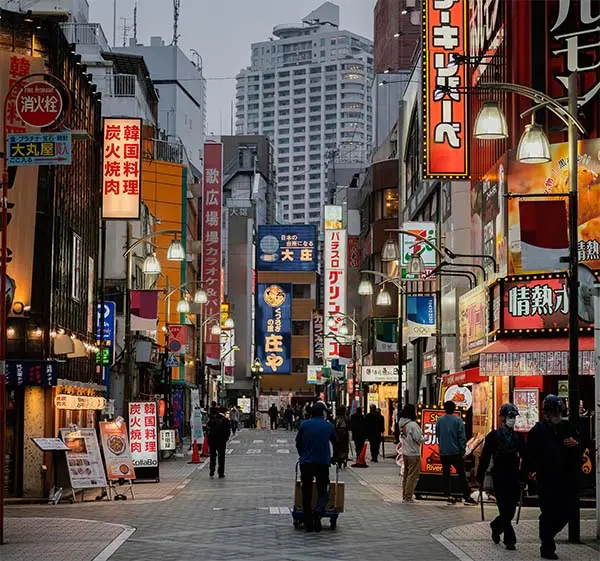
people-walking-japan-street-night time
japanese structure with lanterns and nature
Traditional Building in Japan
chureito-pagoda-fuji-mountain-sunset-japan

Who Moves to Japan from the UK?

Around 18,000–20,000 British nationals are resident in Japan at any time. They arrive for a range of reasons, employment in technology, finance, automotive, and education sectors; family reunification with Japanese spouses; long-term relocation for cultural or lifestyle reasons; and increasingly, professionals drawn by Japan’s Highly Skilled Professional visa programme.

Japan requires planning time that some destinations do not. The Certificate of Eligibility process (explained below) typically takes 1–3 months. Customs documentation for your household goods needs to be prepared in advance. And the question of what you can and cannot ship, particularly medications, is worth resolving before you start packing, not after your belongings are already on a ship.

Visa Routes for UK Nationals Moving to Japan

UK citizens can enter Japan without a visa for stays of up to 90 days. For long-term residence, the visa you need depends on your reason for moving.


Work Visa (via Certificate of Eligibility)

If you are moving to Japan for employment, your Japanese employer must apply for a Certificate of Eligibility (CoE) on your behalf through the Immigration Services Agency. This document confirms that you meet the requirements for the relevant work visa category. Once the CoE is issued, typically 1–3 months after application, you apply for your work visa at the Japanese Embassy in London, which is then usually processed within a week.

The CoE must be in place before you can apply for the visa. Start this process as early as possible; it is the item with the longest lead time in your Japan move.


Highly Skilled Professional Visa

Japan uses a points-based system for highly skilled workers in academic research, technical specialisms, and business management. Applicants scoring 70+ points qualify. The Highly Skilled Professional visa offers benefits including a 5-year residence period, permission to bring dependent family members, and a faster pathway to permanent residence. This visa can be applied for without a prior job offer in some categories.


Spouse Visa

If you are married to a Japanese national, you can apply for a Spouse or Child of Japanese National visa, which permits residence and employment in Japan. Applications are processed at the Japanese Embassy in London and require proof of marriage, financial documentation, and in most cases a period of several weeks for processing.


Designated Activities / Long-Stay

Japan does not have a general retirement visa programme comparable to Spain’s Non-Lucrative Visa or Portugal’s D7. Long-stay options for retirees typically fall under the Designated Activities visa category and require demonstration of sufficient funds and ties to Japan. This is a less straightforward route and is worth discussing with a specialist immigration adviser.

Japan's Customs Rules for Personal Effects

Japan has strict import controls that go beyond what most removals guides mention. Understanding these rules before you pack will save you from customs delays, confiscations, or, in the case of prohibited medications, a more serious issue on arrival.

Medications: Read This Before You Pack

Japan’s Narcotics and Psychotropics Control Act restricts the import of a long list of substances, including several commonly prescribed in the UK:

  • ADHD medications: Adderall, Ritalin, and amphetamine-based medications are prohibited in Japan regardless of prescription.
  • Some antidepressants and sleep aids: Certain benzodiazepines are controlled under Japanese law. Check the Ministry of Health, Labour and Welfare (MHLW) list for your specific medication.
  • Codeine: Including in cough medicines. Many common UK pharmacy products contain codeine.
  • OTC decongestants: Some standard UK cold and flu medications contain pseudoephedrine, which is restricted.

If you are on any regular prescription medication, check it against the MHLW controlled substances list before your move. For permitted medications, the personal import limit is typically a 1-month supply (2 months for certain items with a specific import certificate, Yunyu Kakuninsho). Flag any medications to your move manager during the inventory process.


Electronics and Electrical Appliances

Japan runs on 100V at 50Hz (eastern Japan) and 100V at 60Hz (western Japan). The UK runs on 230V at 50Hz.

  • Dual-voltage appliances (100–240V): work with a plug adaptor only.
  • Single-voltage UK appliances (230V only): will not work and may be damaged.
  • Large appliances: washing machines, dishwashers, and refrigerators are generally not worth shipping, Japanese appliances are readily available and already at the correct voltage.

How Long Does Shipping to Japan Take?

Sea freight from the UK to Japan takes 10–12 weeks for a full container (FCL) and 12–16 weeks for a shared container (groupage / LCL), depending on routing and whether your goods arrive at Tokyo (Yokohama port), Osaka, or Nagoya.

Air freight typically takes 5–7 days and is suited to smaller volumes of high-priority or time-sensitive items, documents, laptops, clothing for the first weeks.

For most Japan moves, the approach is a combination: air freight a bag or two of essentials you need immediately, and sea freight the rest. Your move manager will help you split the volume in a way that makes sense for your arrival date and budget.

Gerson Moving Services Packing Boxes

Arriving in Japan, What Happens to Your Belongings

Your household goods will arrive at the designated port. A Gerson Moving Services in-country partner handles port clearance and delivery to your Japanese address.

Customs documentation required:

  • A detailed personal effects inventory (prepared before shipment with your move manager)
  • Copy of your passport
  • Copy of your visa and residence card (Zairyu Card), or Certificate of Eligibility if your visa is still in process
  • An arrival certificate confirming you have entered Japan

Important: Your household goods are cleared as personal effects imports, which means they must arrive after you have entered Japan. If your container arrives before you do, the customs process becomes significantly more complicated. Your move manager will plan the dispatch date to avoid this.


shibuya crossing a world famous and iconic also the busiest intersection in front of the shibuya station tokyo japan hundreds of people from all directions at once cross at a time

Registering Your Address in Japan

Within 14 days of moving into your Japanese address, you are required to register at your local ward office (Shiyakusho or Kuyakusho). You will receive a Residence Card (Zairyu Card), which is your primary identification document in Japan and is required for opening a bank account, signing a rental agreement, and registering for National Health Insurance.


Which countries have mandatory health insurance
Moving your finances overseas
International currency on a money transfer app
Business man calculate and analyzing graph document financial with laptop

Additional Services for your move to Japan

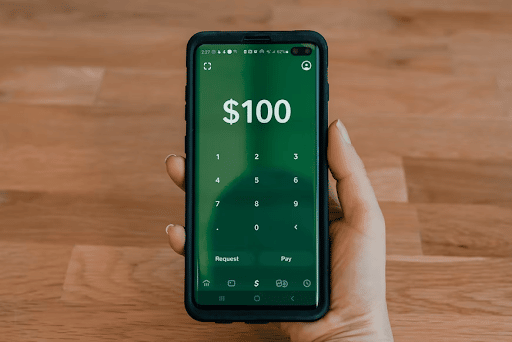
Moving Your Money

If you’re moving to Japan, it’s very likely you’ll need to exchange a significant amount of currency. Many people lose out by using their bank, assuming it’s the only option. However, there are specialist currency exchange providers that offer more competitive rates and can help you save thousands. To find out how to make your money go further during your move, speak to one of our move managers, click here, or give us a call: +44 20 7097 5335.

Get Move Liability Cover for your international removal to Japan

We always advise taking out move protection liability cover with us on every move. Although we like to think we’re the best in the industry, the odd accident can occasionally happen. For added peace of mind, make sure to speak to one of our move managers about this.

Discover Our GMS Xtra Value Services

Gerson Moving Services goes beyond standard removals, offering a full range of relocation solutions to make your move seamless. Our value-added services include international currency transfer, home and school search, visa and immigration support, health insurance, container tracking, car purchase and leasing, and temporary accommodation. We also provide expert packing, secure storage, customs clearance, and pet relocation, ensuring a smooth transition whether you’re moving locally or internationally. With our end-to-end relocation management, you can trust Gerson for a stress-free, efficient move.

Home
Search

School
Search

Visa &
Immigration

Baggage
Shipping

Home
Storage

Temporary
Living

Furniture
Rental

Pet
Moving

Language
Training

Currency
Exchange

Cultural
Training

Area
Orientation

Settling In
Services

PArtner
Support

Container
Tracking

Moving Your Car or Motorcycle to Japan

Japan drives on the left, so UK right-hand drive vehicles are technically compatible from a road-use perspective. However, importing a vehicle to Japan involves significant compliance requirements and cost.

Vehicle compliance:
All imported vehicles must pass Japan’s mandatory Vehicle Inspection (Shaken/車検) before they can be registered and driven. UK vehicles typically require modifications to meet Japanese safety and emissions standards, headlight beam pattern adjustment, speedometer recalibration to km/h, and compliance checks. The cost of bringing a UK vehicle into Shaken compliance, combined with import duty, often makes local purchase more economical.

Import duty:
Japan’s import duty on passenger vehicles is currently 0% under WTO commitments, but compliance modification costs, port handling, and registration fees add substantial cost. Motorcycles are subject to similar compliance requirements.
motorbike-crating for shipment
Vintage and classic vehicles:
Vehicles over a certain age may benefit from simplified compliance pathways. If you are considering importing a classic or vintage vehicle, discuss this with your move manager during the survey, routing and documentation requirements differ from standard household goods shipments.

Practical advice:*
Most people relocating to Japan find it more cost-effective to sell their UK vehicle before departure and purchase in Japan. Japanese vehicles are readily available, priced competitively, and already Shaken-compliant. If your vehicle has significant personal or collector value, importing is a reasonable consideration, but go in with a clear understanding of the full compliance cost before committing.

Relocating Your Pets to Japan

Japan is a rabies-free country and has some of the most rigorous pet import requirements in the world. The process is achievable, the UK is a designated approved country for animal imports, but it is time-dependent and the sequence cannot be shortened. Start the moment you decide to move.

The full process for dogs and cats from the UK:

1. Microchip: ISO 11784/11785 compliant microchip must be implanted first, before any vaccinations count toward the import process.

2. Primary rabies vaccinations: two rabies vaccinations administered at least 30 days apart, both after the microchip is in place.

3. Rabies neutralising antibody titre test: a blood test administered at an approved laboratory (in the UK, the Animal Health and Veterinary Laboratories Agency in Weybridge is approved). The test must show a result of 0.5 IU/ml or above. If it passes, note the date the blood sample was taken.

4. 180-day waiting period: from the date the blood sample was taken, not the date of the test result. This is the single most common source of delay, the 180-day clock starts from blood draw, and your pet cannot enter Japan before it expires.

5. Advance notification to Japan Animal Quarantine Service (AQS): at least 40 days before your pet’s arrival, submit the pre-arrival notification to the AQS office at the designated arrival airport.

6. Export health certificate: completed by your vet and endorsed by the Animal and Plant Health Agency (APHA) in the UK before departure.

On arrival in Japan:
Your pet will be inspected at the Animal Quarantine Service facility at the designated airport. From an approved country with all documentation correct, quarantine can be as short as 0–7 days. If any documentation is incomplete or the 180-day wait has not been met, the quarantine period extends to 180 days at your expense in a government facility. There is no exception to the waiting period requirement.

Approved arrival airports: Tokyo Narita, Tokyo Haneda, Osaka Kansai, Nagoya Chubu.

Birds, rabbits, and other animals: subject to separate import rules, contact the Japan Animal Quarantine Service directly for the applicable requirements.

Restricted & Dutiable / Taxable Items

The following items are permitted entry into Japan but are subject to duty or quantity limits:
  • Alcohol: 3 bottles of spirits (760ml each) duty-free. Quantities above this are dutiable.
  • Tobacco: 200 cigarettes, 50 cigars, or 250g of other tobacco products duty-free.
  • Perfume: 2 fluid ounces duty-free.
  • Other goods: Personal effects with a total value below ¥200,000 are generally duty-free. Above this threshold, individual items may be assessed for duty.
  • Currency: Amounts of ¥1 million or more (or foreign currency equivalent) must be declared to Japan Customs on arrival.
  • Antiques and art: Items containing ivory, certain woods, or protected materials under CITES may require documentation or permits. Antique items over 100 years old may be assessed differently, confirm with your move manager.
  • Plant products and food: Certain plants, seeds, and fresh food items require phytosanitary certificates or are subject to inspection by the Plant Protection Station.

Prohibited / Banned Items

The following items are prohibited from import into Japan and will be confiscated, with potential criminal consequences in some cases:
  • Narcotics, stimulants, and controlled substances, including many medications that are legal in the UK (see medication section above)
  • Cannabis and cannabis-derived products, including CBD products that are legal in the UK
  • Firearms, ammunition, and explosives, without prior specific authorisation from Japanese authorities
  • Swords and certain bladed weapons, require a specific licence and are tightly regulated
  • Counterfeit goods, including replica branded items
  • Child sexual abuse material and obscene publications
  • Certain agricultural products, fresh meat, fruits, vegetables, and plant materials that have not been inspected and cleared by plant/animal quarantine authorities
  • Endangered species and products, items regulated under CITES (Convention on International Trade in Endangered Species)
  • Materials that infringe intellectual property rights
If you are unsure whether a specific item is restricted or prohibited, raise it with your move manager during your survey. It is better to leave an item behind than to have it confiscated at Japanese customs.

Plan Your Relocation to Japan with Confidence

A UK-to-Japan move typically takes six to eight months to plan properly, from first conversation through to delivery at your Japanese address. The process involves a professional survey of your home contents, customs documentation review (particularly for medications and electronics), booking your sea freight or air freight slot, packing day, transit, customs clearance in Japan, and final delivery.

Throughout that process, your dedicated move manager at Gerson Moving Services is your primary contact. They hold your file, know the Japan-specific requirements for your shipment, and are the person you contact when you need an update. You do not deal with a call centre or a different person each time.

For a destination with the customs complexity of Japan, medications, restricted items, the pet import timeline, voltage incompatibility, the move manager model is particularly suited. The paperwork requires individual attention, and the timing of each element (visa, pet blood test, dispatch date) requires active management across a long planning horizon.

If you are planning a move to Japan, the first step is a professional survey of your home contents. This gives you an accurate quote based on what you are actually shipping, and it starts the documentation and planning process early, which for Japan is essential.

Young adults using their laptop searching for company for international move

Trusted Global Moving Services –
Why Choose Us?

Real feedback from people who chose our international moving company.

Exceptional Planning

Rated 5 out of 5

“Relocating to Japan required careful coordination, and the entire process was handled expertly from start to finish. The team kept us informed throughout, managed all the logistics seamlessly, and ensured everything arrived safely and on time.”

Smooth Relocation

Rated 5 out of 5

“Our move to Japan was far easier than we expected thanks to the professionalism and support we received. Communication was excellent at every stage, and our belongings arrived in perfect condition. We felt completely looked after throughout the journey.”

Outstanding Service

Rated 5 out of 5

“Moving to Japan felt like a huge step, but the team made the experience straightforward and stress-free. Every detail was managed efficiently, updates were provided regularly, and everything arrived exactly as planned. We couldn’t have asked for a better service.”