
Request a move quote
Last updated: August 2026 | Author: Taylor Eddison – Gerson Move Manager
Portugal is one of the most popular destinations for UK movers right now – and one of the least well served by up-to-date guidance. If you’ve searched for what actually needs to happen to move your belongings there, you’ve probably found a lot of visa and tax content, and comparatively little on the shipping and customs side of the move itself.
The single document that catches people out most is the Certificado de Bagagem – a certificate from the Portuguese Consulate in the UK that has to be arranged before your shipment leaves, not something you sort out once you’ve landed. Miss that timing and your goods can sit at customs while the paperwork catches up. This guide walks through that, along with the rest of what a UK-to-Portugal move actually involves.



Portugal is one of the faster and more flexible European routes, with both sea and road freight options depending on your volume and timeline.
Groupage (shared load): Your goods share space with other customers’ shipments – the most cost-effective option for smaller households. Transit time: 2–4 weeks, depending on consolidation schedules.
Full load (dedicated): A vehicle or container used exclusively for your move. Transit time: 1–3 weeks – faster and more predictable because you’re not waiting for other shipments to consolidate.
Road freight: Common for UK-to-Portugal moves given the relatively short overland-plus-ferry route. Door-to-door transit is typically 1–4 weeks, with Lisbon and Porto usually at the faster end.
Cost ranges:

Before Brexit, moving household goods from the UK to Portugal was a free-movement matter with minimal customs involvement. It isn’t any more. The UK is now treated as a non-EU country, and your move goes through Transfer of Residence (ToR) relief – the same customs process any non-EU arrival uses to bring household goods into Portugal duty-free.
To qualify for duty-free import, you generally need:
The document that trips people up: the Certificado de Bagagem, issued by the Portuguese Consulate in the UK, which must confirm all items are used and have been in your possession for more than 6 months (it doesn’t show item values). This has to be arranged and obtained before your shipment departs the UK – it isn’t something you can request retroactively once your goods are already in transit or have arrived in Portugal.
Other documents you’ll need:
Your move manager will sequence the Certificado de Bagagem application against your shipping date, so the paperwork is ready before the container leaves – this is the single most common cause of avoidable delay on this route.
We always recommend speaking directly to the relevant embassy for the most accurate and up to date moving advice:
UK shipments typically arrive via Lisbon or Porto, depending on your destination in Portugal, with onward delivery arranged by your in-country partner once customs clearance and the ToR paperwork are processed. Given the shorter transit times on this route compared with long-haul destinations, delays are usually about paperwork readiness rather than the shipping itself – which is exactly why the Certificado de Bagagem timing matters as much as it does.
Your move manager tracks the shipment from the UK side and stays your point of contact through customs clearance and delivery, so you’re not chasing two separate companies for updates.


Lisbon: The capital and largest city, popular with professionals, remote workers, and retirees. Strong international school provision and an established UK expat community, particularly in Cascais and the western suburbs along the coast.
Porto: Smaller, more compact, and generally more affordable than Lisbon, with a growing reputation among younger movers and remote workers. Coastal and riverside living within easy reach of the city centre.
The Algarve (Faro and surrounding towns): The long-standing favourite for UK retirees and second-home owners, with an extensive established British community, English widely spoken in many areas, and a strong seasonal rhythm to local life.
Cascais, Coimbra, and Braga: Smaller, popular alternatives – Cascais as a coastal commuter town for Lisbon, Coimbra for its university-town character, and Braga for those wanting northern Portugal at a lower cost of living than Porto.




If you’re moving to Portugal, it’s very likely you’ll need to exchange a significant amount of currency. Many people lose out by using their bank, assuming it’s the only option. However, there are specialist currency exchange providers that offer more competitive rates and can help you save thousands. To find out how to make your money go further during your move, speak to one of our move managers, click here, or give us a call: +44 20 7097 5335.
We always advise taking out move protection liability cover with us on every move. Although we like to think we’re the best in the industry, the odd accident can occasionally happen. For added peace of mind, make sure to speak to one of our move managers about this.
Portugal drives on the right, unlike the UK – worth being upfront about before you commit to shipping your car rather than buying locally.
Is it worth it? A UK right-hand-drive car is legal to drive in Portugal, but overtaking visibility is genuinely worse on a right-hand-drive car on right-hand-drive roads, and this is a real, ongoing inconvenience rather than a one-off adjustment. Many UK movers ship their car anyway for cost or sentimental reasons – it’s a valid choice, just one to make with the visibility trade-off in mind rather than discovering it on your first Portuguese motorway overtake.
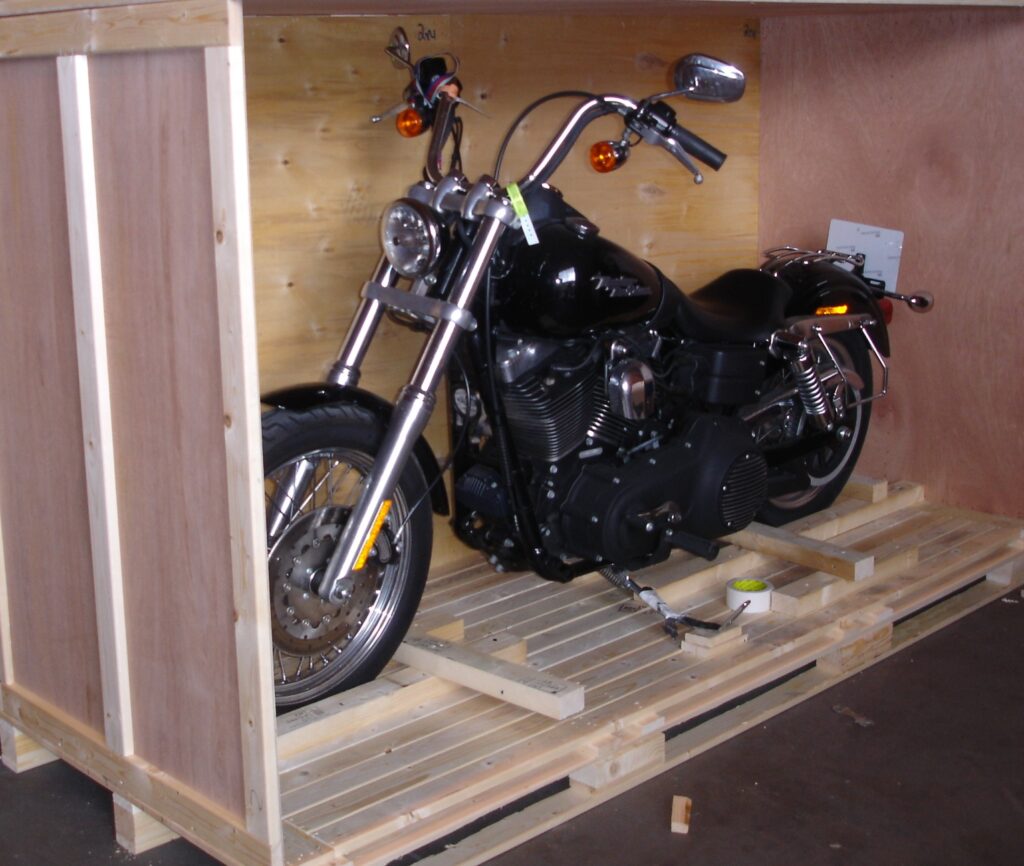
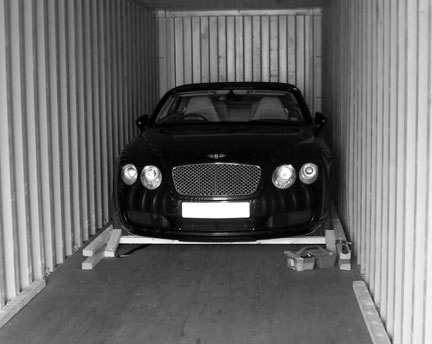
ISV exemption under Transfer of Residence: You may qualify for a full exemption from ISV (vehicle tax), VAT, and customs duty on one vehicle if:
You have 12 months from arrival in Portugal to apply, using Form 1460.1, submitted via the Portal das Finanças. Full details of supporting documents required are confirmed by the AT (Portuguese Tax Authority).
If you don’t secure the exemption, or if the vehicle is imported outside these rules, it’s subject to duty-free temporary import for up to 6 months, after which it must either leave Portugal again or go through definitive (dutiable) importation.
Documents required: registration certificate, title, insurance documents, purchase invoice, an International Driving Licence, and an import licence. Boats are separately subject to duty regardless of ToR status.
Your move manager can arrange vehicle transport alongside your household shipment – confirm this at the survey stage so both can be planned together.
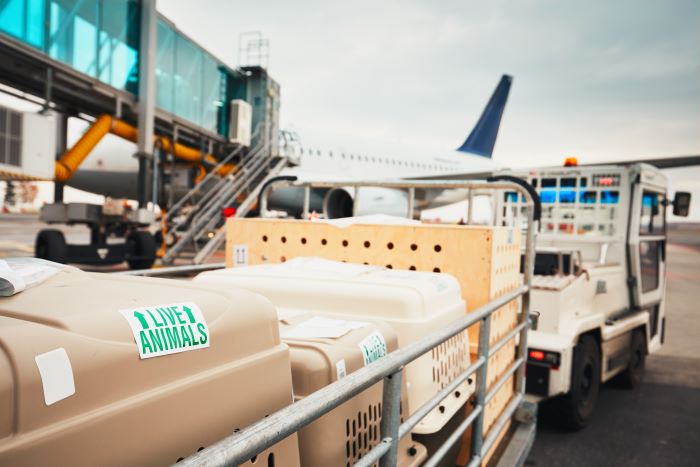
Cats and dogs can travel to Portugal from the UK, and since Brexit this goes through the EU’s non-EU pet travel route rather than the old pet passport system.
Specialist pet relocators handle the AHC timing, vaccination scheduling, and travel logistics. Your move manager can refer you to an operator experienced on the UK–Portugal route and help make sure your pet’s documentation timeline lines up with your own travel dates.
Generally permitted Used household goods, furniture, and personal effects owned and used for at least 6 months, imported under Transfer of Residence relief with a valid Certificado de Bagagem.
Restricted: subject to quantity limits, special authorisation, or duty
Prohibited
Note on the wider baggage/courier prohibitions: if you’re sending anything separately by courier or as accompanied baggage (rather than as part of your main household shipment), a much longer list of everyday items – aerosols, lighters, nail varnish, car batteries, and similar – is restricted or prohibited under general shipping rules rather than Portuguese customs specifically. Your move manager can confirm what applies to your specific shipment method.
Real feedback from people who chose our international moving company.
From packing in London to unpacking in Lisbon, everything arrived intact and on schedule. The team handled Portuguese customs paperwork so we didn’t have to.
Moving to the Algarve with two children and a dog felt daunting. Everything was coordinated for us, and the house was liveable the day we arrived.
After thirty years in the same house, downsizing seemed impossible. They packed, shipped and placed every box in our new home near Nazaré without fuss.
The key one is the Certificado de Bagagem from the Portuguese Consulate, arranged before you leave the UK. You’ll also need your passport, a Portuguese-language inventory, the Bill of Lading or Air Waybill, and a Residence Certificate (Atestado de Residencia) once you have a Portuguese address.
Yes, under Transfer of Residence relief, if you’ve been UK-resident for at least 12 months and owned your goods for at least 6 months. It’s more paperwork than the pre-Brexit free-movement era, but it still leads to a duty-free outcome for genuine household goods.
Groupage typically 2–4 weeks, full load 1–3 weeks, road freight 1–4 weeks door-to-door. Lisbon and Porto tend to be at the faster end.
Yes – New Zealand drives on the left, so a right-hand-drive UK car doesn’t need conversion. You’ll need 12 months’ proven ownership and residency abroad for duty-free import, a WoF and compliance inspection, and a signed deed of undertaking not to sell it for 2 years.
A microchip fitted before vaccination, a rabies vaccination at least 21 days before travel, and an Animal Health Certificate issued within 10 days of travel — a fresh one for every trip. Tapeworm treatment is not required for Portugal.
Groupage from £1,800–£2,500 for a smaller household, £3,500–£5,000 for a full household. FCL 20ft container from £4,800–£5,900. Larger households range £7,500–£14,000. A survey gives you an accurate figure.
Your move manager can confirm the Certificado de Bagagem timeline against your shipping date before anything is booked – get that document moving early, and the rest of a UK-to-Portugal move is one of the more straightforward routes we manage. at it.