
Request a move quote
It started well. Someone came to survey the house; they were helpful, they seemed to understand the move. And then the emails started coming from different people. Each one knew their part. None of them knew the whole picture. And when something went wrong, a delay at port, a customs question, a delivery that needed rescheduling, there was no one person to call who actually owned the problem.
That’s the standard model. A team handles your move, with each member responsible for their stage.
We work differently. A dedicated move manager is assigned to your move from the beginning. The same person handles the survey, the quote, the booking, the packing coordination, and every question you have from that point forward. Depending on your destination, the local delivery and customs clearance is handled by our in-country partner – but your dedicated move manager remains your primary contact throughout. You always have a named person to call, someone who already knows your move and is accountable for keeping it on track.
Here’s what that looks like in practice.

Every move starts with a survey carried out by one of our removal specialists. This isn’t a formality; the survey is what makes everything else accurate.
They’ll come to your home (or conduct a video survey if you prefer) and go through what you’re moving, what you’re leaving behind, and what the destination situation looks like. Do you have a confirmed address? Are you going into storage first? Is there a deadline; a school start date, a job start date, a visa window?
The answers shape everything that follows: the shipping method, the timeline, the documentation requirements, the packing approach. The survey findings go directly into your file, so when your move manager takes over they have the full picture from day one.
Following the survey, your dedicated move manager is assigned and will send a written quote. It covers what’s included, what isn’t, and why.
International removals vary significantly in cost depending on the volume of your belongings, your destination, the shipping method (sea freight or air freight), whether you want a full packing service, and the level of liability cover you choose. Your move manager will explain the factors that affect your specific quote; not a generic breakdown, but the actual variables for your move.
Your quote is fixed based on what was agreed: the volume, destination, property type, and any additional services you asked for. If nothing changes, the price doesn’t change (subject to any customs or destination country requirements). If you decide to add more items, change the shipping method, or add a service after the quote is issued, your move manager will tell you the revised cost before anything is confirmed; so there are no surprises on invoice day.

Once you confirm the booking, your move manager takes over the paperwork process.
International moves require documentation: customs declarations, inventories, transfer or residence, proof of ownership for certain items, and destination-specific forms that vary by country. Your move manager knows what your destination requires and will tell you clearly what they need from you, when they need it, and what they’ll handle on your behalf.
This is where having one consistent contact matters. Customs paperwork errors are often the result of information gaps; details known at the survey stage that never made it to the person filing the forms. Because your move manager has the full survey file from the start, nothing gets lost in translation.


On packing day, a professional packing team arrives at your home. Your move manager coordinates this; they know what’s in the consignment, what needs specialist packing (fragile items, artwork, instruments), and any particular instructions you’ve given.
You don’t need to be the one briefing the packing team from scratch. That’s already been done.
Collection is typically completed in one to three days depending on the volume of your move. Your belongings are loaded, inventoried, and moved to the port for the next available sailing to your destination.
Your move manager will confirm collection is complete and give you the next milestone: when your things are in transit.
Once your belongings are at sea, your move manager remains your contact.
Sea freight to most destinations takes between three and twelve weeks depending on where you’re going. Your move manager will give you an estimated transit time for your route at the survey stage. These are estimates; port delays, customs processing, and sailing schedules can all affect the final timeline, and we’ll always tell you if something is running ahead or behind.
This is the part of the process where customers most often feel abandoned by other companies. The move is underway, the collection team has gone, and there’s no obvious person to contact if you have a question. Your move manager is that person. They can tell you where your belongings are in the process and what’s happening next.
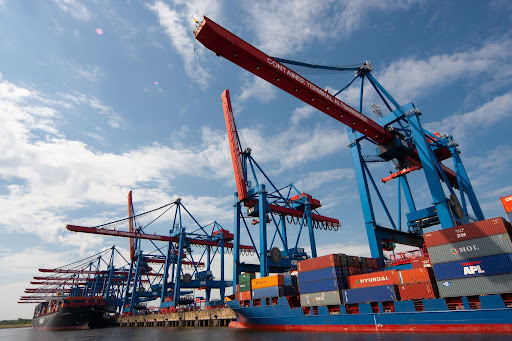
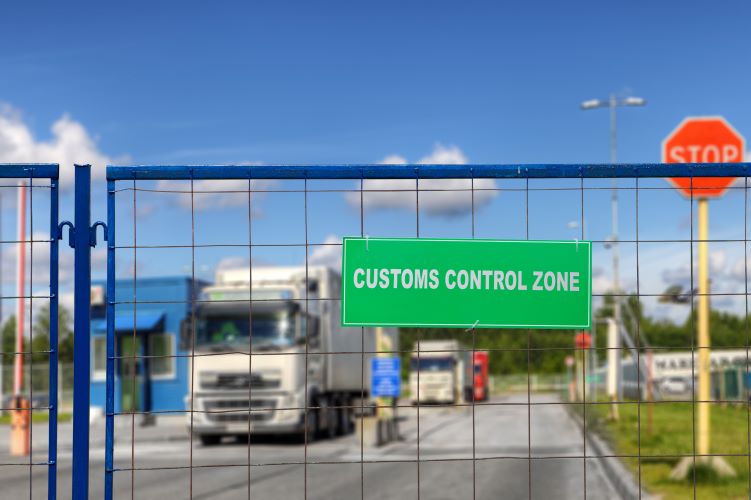
This is where most removal companies go quiet. The shipment has left the UK; technically the job is done on their end.
Your move manager doesn’t see it that way.
When your belongings arrive at the destination port, your move manager coordinates with our partner in that country to manage customs clearance and arrange final delivery to your address. They are the point of contact if anything needs attention; if customs requires additional documentation, if there’s a delay at the port, if the delivery needs to be rescheduled because your new home isn’t ready yet.
Customs processes vary by country, and we’ll be honest with you: they don’t always go smoothly. Most of the time, household goods clear without issue when the paperwork is correct. Occasionally a shipment is inspected, or a specific item needs additional clearance. If that happens, your move manager tells you what’s happening, what’s needed, and what the realistic timeline looks like; not a holding message, but an actual update from someone who knows your file.
Final delivery is made to your address in the destination country. If you’ve opted for a full unpacking service, that’s coordinated through your move manager too.
The move is done when you say it is.
You’ll have one email address and one phone number for your move. The person who answers knows your name, your destination, your timeline, and the contents of your consignment.
When something needs resolving, and in any move of this scale and complexity, something always does; there’s no question of who to contact or whether they’ll know what you’re talking about.
That’s what a fully managed international move actually looks like.

We’ve helped countless people move abroad, see our client testimonials to find out why so many choose us.
“The pre-move survey helped us understand exactly what to expect before our international move. Everything was explained clearly and the process felt very well organised.”
“Our survey covered everything from packing to shipping timelines. It gave us confidence that our move was being planned properly from day one.”
“The survey with Adam made the whole relocation feel manageable. It was detailed without being overwhelming and helped us plan our move with confidence.”
It depends on your destination and shipping method. Sea freight to Europe typically takes two to four weeks. Longer routes; Australia, New Zealand, South America; can take eight to twelve weeks. Your move manager will give you a realistic timeline for your specific move at the survey stage, and update you if anything changes.
Your move manager handles it. They coordinate with our destination partner, provide any additional documentation required, and keep you informed throughout. We’ll always tell you what’s happening, even when the news isn’t what you hoped for.
Yes, or someone you trust should be there. Your move manager will advise on what to expect and what you’ll need to have ready before the packing team arrives.
Yes. We can arrange storage at the destination and deliver when you’re ready. Your move manager coordinates this as part of the overall move plan; it’s a common situation and one we plan for from the start.
Sea freight is slower and significantly less expensive. Air freight is faster but costs considerably more and is typically used for smaller volumes or urgent items. Your move manager will recommend the right option based on your timeline, volume, and budget.