
Request a move quote
The Philippines is one of the most popular destinations for British retirees in Southeast Asia, affordable cost of living, English widely spoken, a warm year-round climate, and a significant expat community in Manila, Cebu, and Dumaguete. It is also a destination with two customs details that most removal guides gloss over: the 90-day window in which your goods must arrive after you do, and the requirement that your visa or residency status be confirmed before your container docks at Manila. Get both of these right and the customs process is straightforward. Miss either of them and it becomes significantly more complicated.
Quick answer: Shipping furniture from the UK to the Philippines typically costs £2,500 to £4,500 for a 1-bedroom volume in a shared container (groupage) and £4,500 to £8,500 for a full container, depending on size. Allow 8 to 12 weeks from collection to delivery in Manila, longer for Cebu and other regional cities. The biggest cost risk is not the freight price: it is a container arriving before your visa is confirmed.

Sea freight is the standard method for UK-to-Philippines household moves. Routing is via transshipment ports in Singapore, Port Klang (Malaysia), or Hong Kong before arriving at Manila’s Port of Manila or Manila International Container Terminal (MICT).
Groupage (shared container, also called LCL, “less than container load”): Your belongings share a container with other customers’. Transit time: 8-12 weeks port to port, depending on transshipment routing.
Full container load (FCL): A dedicated 20ft or 40ft container used only for your move. Transit time: 6-8 weeks port to port. Your belongings are sealed for the entire journey with no additional handling.
After port arrival, customs clearance typically adds 1-2 weeks. Deliveries to Cebu, Davao or other regional cities require domestic forwarding from Manila, adding a further 1-3 weeks. Allow 8-12 weeks from collection to delivery as your planning timeline for Manila.

The Philippines Bureau of Customs (BOC) clears household goods under the Transfer of Residence duty-free allowance, subject to conditions that are straightforward once you understand them.
To qualify for duty-free import:
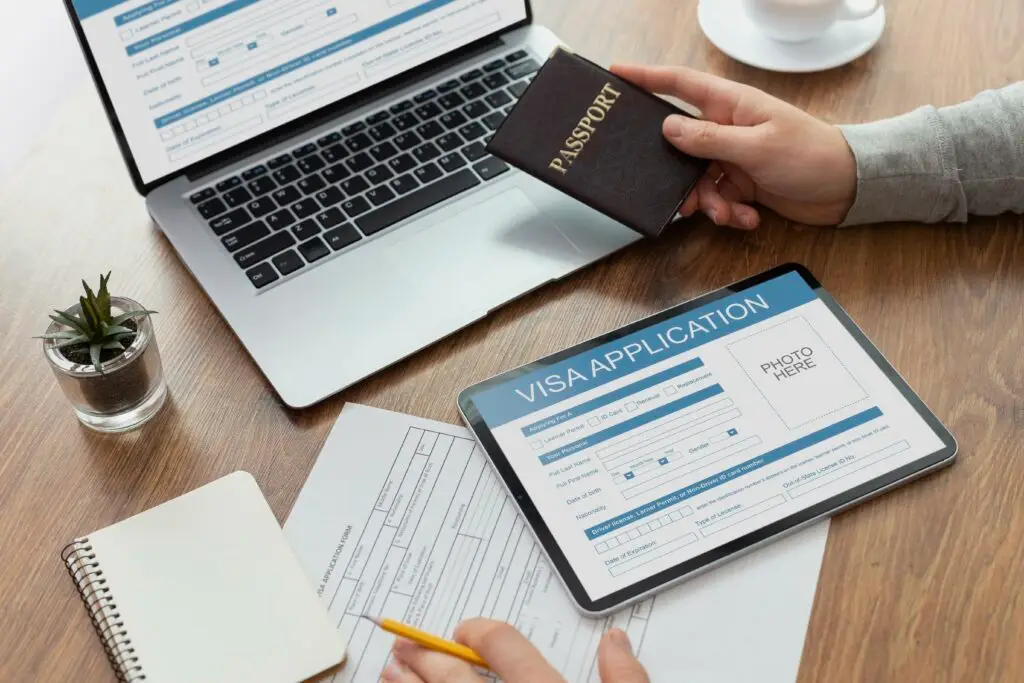
The visa timing dependency:
This is the detail that catches most people. If your SRRV, 13A, or other residency document is still being processed when your container arrives at Manila port, customs clearance cannot proceed smoothly under the duty-free allowance. Your move manager plans the dispatch date to ensure your visa is confirmed before the container docks.
Balikbayan box, does not apply to UK nationals:
Balikbayan box services are marketed widely for Philippines-bound moves. This tax-exempt allowance applies specifically to Filipino nationals returning home and their immediate family members. As a UK national relocating to the Philippines, your belongings are processed as a standard personal effects importation under the residence transfer allowance, not as a balikbayan box. A provider who tells you otherwise is not applying the correct customs category to your belongings.
We always recommend speaking directly to the relevant embassy for the most accurate and up to date moving advice:
Your move manager can walk through the visa timing and customs requirements before you book, and give you a realistic timeline and price for Manila, Cebu or Dumaguete in your first call. The planning starts at the survey.

Most UK household goods destined for Metro Manila arrive at the Manila International Container Terminal (MICT) in the Port of Manila. Your in-country partner manages port receipt, Bureau of Customs submission, and delivery to your address.
Manila delivery: Building management offices in Metro Manila condominiums regulate large deliveries and typically require advance scheduling. Time-of-day restrictions are common, and some buildings restrict deliveries to weekday business hours. Confirm with your building management office before your delivery date.
Cebu and regional deliveries: Goods arrive in Manila and are transferred to a domestic forwarder for onward movement to Cebu, Davao, or other destinations. Allow 1-3 weeks for domestic forwarding after Manila clearance.
Older buildings: Lifts in older residential buildings in Makati, BGC, and central Cebu are often smaller than standard UK lifts. Check lift dimensions with your building management if you have large furniture items, some may require staircase access.
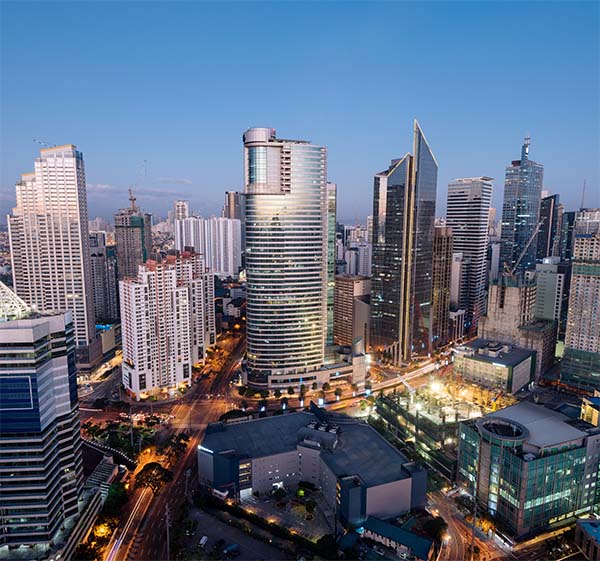
Metro Manila: The Philippines’ capital region and economic hub. The main expat areas are Makati (financial district), Bonifacio Global City (BGC, newer mixed-use development), Ortigas, and Alabang in the south. English is widely spoken and signage is in English throughout.
Cebu City: The Philippines’ second city and a popular alternative to Manila for its smaller scale, lower cost of living, and beach proximity. A significant expat and retiree community. International airport with good regional connections.
Dumaguete: Small city in Negros Oriental, popular with retirees for its relaxed pace, low cost of living, and English-speaking population. Less infrastructure than Manila or Cebu but well-served by expat services and healthcare.
Practical note: The Philippines has a dual-voltage electrical system (220V, 60Hz) in most areas. UK appliances (230V, 50Hz) generally work, though frequency-sensitive devices (clocks, some motors) may be affected. A plug adaptor is needed for UK plugs.
SRRV – Special Resident Retiree’s Visa
The SRRV is available to foreign nationals aged 40 and over and provides multiple-entry privileges and an indefinite stay in the Philippines, subject to the programme requirements. The deposit required depends on the applicant’s age and whether they receive a qualifying pension. Under the current SRRV Classic option, applicants aged 50 and over require a US$15,000 deposit if they receive a qualifying pension, or US$30,000 if they do not. Applicants aged 40–49 have higher deposit requirements.
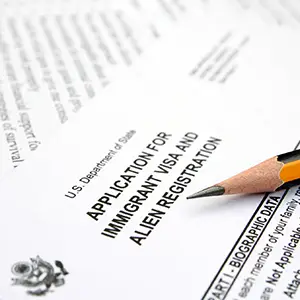
SRRV holders are exempt from customs duties and taxes on a one-time importation of household goods and personal effects up to US$7,000, subject to the programme’s conditions. The SRRV is administered through the Philippine Retirement Authority (PRA), with the visa issued by the Bureau of Immigration. Allow sufficient time for the application process and start early, particularly where police, medical and other supporting documents need to be obtained or authenticated.
13A – Immigrant Visa by Marriage
The 13A visa is available to a foreign national who is legally married to a Philippine citizen. The route provides residence rights, subject to the applicable immigration requirements. The initial 13A status is generally probationary, with permanent resident status available after the required period and subject to the Bureau of Immigration’s approval and conditions. Applications are handled through the Philippine Bureau of Immigration, including its authorised offices, rather than being solely a Philippine Embassy process.
9(g) – Pre-Arranged Employment Visa
The 9(g) is the main working visa route for foreign nationals taking up employment in the Philippines. The Philippine employer normally supports the application, and an Alien Employment Permit (AEP) from the Department of Labor and Employment (DOLE) is required for foreign nationals intending to engage in gainful employment, subject to applicable exemptions and exclusions. The AEP is a prerequisite for the 9(g) application.
Visa-free entry and extensions
UK nationals can enter the Philippines without a visa for an initial stay of up to 30 days, subject to the usual entry requirements. The Bureau of Immigration confirms that foreign nationals admitted for an initial 30-day stay may apply for an extension, including a visa waiver granting a further 29 days. Further extensions may be available under the Bureau of Immigration’s rules. Visa-free entry is intended for temporary visits and should not be treated as a substitute for obtaining the appropriate visa or residence status for a long-term move.



If you’re moving to the Philippines, it’s very likely you’ll need to exchange a significant amount of currency. Many people lose out by using their bank, assuming it’s the only option. However, there are specialist currency exchange providers that offer more competitive rates and can help you save thousands. To find out how to make your money go further during your move, speak to one of our move managers, click here, or give us a call: +44 20 7097 5335.
We always advise taking out move protection liability cover with us on every move. Although we like to think we’re the best in the industry, the odd accident can occasionally happen. For added peace of mind, make sure to speak to one of our move managers about this.
Alongside the move itself, our GMS Xtra services can cover home and school search, visa and immigration support, international currency transfer, health insurance, container tracking, car purchase and leasing, temporary accommodation, packing, storage, customs clearance and pet relocation. Your move manager can tell you which are relevant for a move to the Philippines.
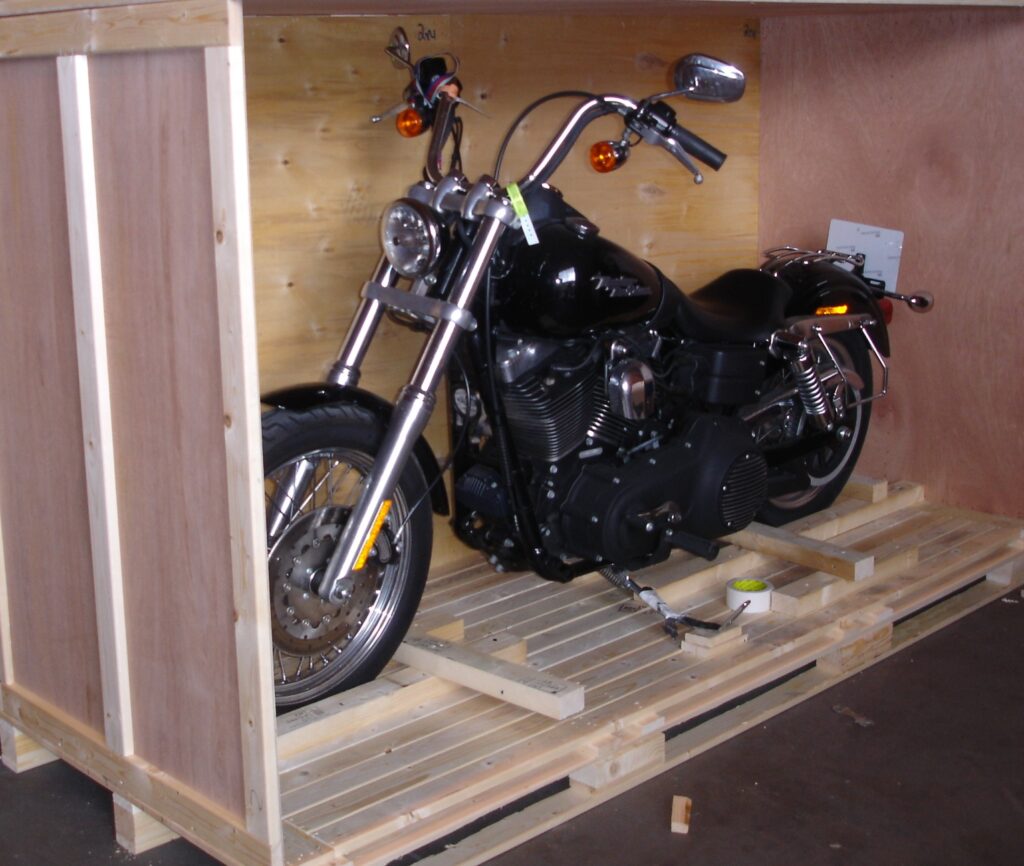
The Philippines drives on the right-hand side of the road, and vehicles are generally required to be left-hand drive (LHD). UK cars are normally right-hand drive (RHD), and Philippine law prohibits the importation, registration and use of RHD vehicles on public roads, subject to limited exemptions. This means a normal UK right-hand-drive car is generally not suitable for importation for regular road use in the Philippines.
Import duty and taxes:
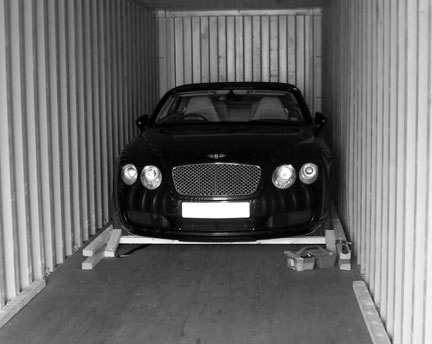
Where a vehicle is eligible for importation, it may be subject to customs duty, value-added tax (VAT), ad valorem tax and other customs charges. The Bureau of Customs currently states that automobile customs duty is generally 20% or 30%, depending on the type of vehicle, with additional taxes and charges applying. The exact amount depends on the vehicle and its customs valuation, so obtain a current calculation before making any decision to ship.
SRRV holder concession:
SRRV holders are among the categories that may qualify to import one used personally owned motor vehicle under the Philippine Bureau of Customs’ No-Dollar Importation programme. However, the vehicle must meet the programme requirements, including being left-hand drive, weighing no more than 3,000 kg and having been registered in the qualified importer’s name for at least six months before the application. The programme can be used only once and the vehicle cannot be resold for at least three years.
Practical advice:
For most UK movers, bringing a normal UK right-hand-drive car is not a practical option because of the Philippines’ RHD restrictions. Check the vehicle’s eligibility and the current customs requirements before arranging shipment. For many people, selling their UK vehicle before moving and purchasing a suitable vehicle locally will be the simpler alternative.
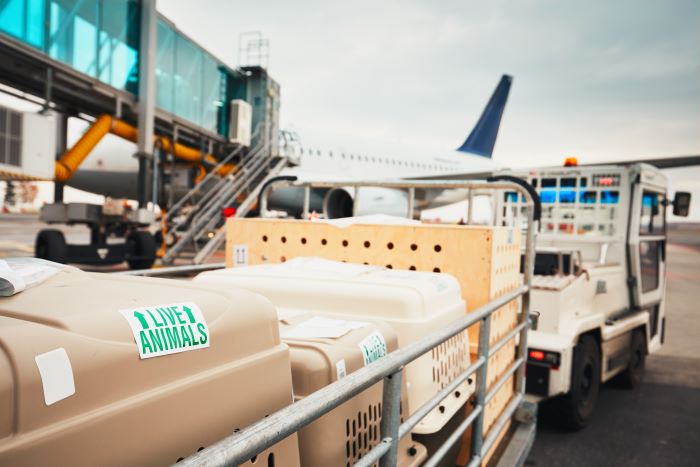
The Philippines has a manageable pet import process for dogs and cats from the UK.
Requirements:
Quarantine:
No mandatory quarantine period for dogs and cats from the UK if all documentation is complete and vaccinations are current.
Other animals:
Birds, rabbits, and other species are subject to separate and more complex requirements. Contact the Bureau of Animal Industry directly for the rules applicable to your animal.
Groupage (a shared container) starts from £2,500 to £4,500 for a 1-bedroom volume. A full 20ft container is £4,500 to £6,500 and a 40ft container £6,000 to £8,500. A survey gives you an exact figure, and it is worth asking whether the price ends at Manila port or at your door.
Six to eight weeks by full container to Manila and eight to twelve weeks by groupage. Cebu and regional deliveries add one to three weeks for domestic forwarding. Allow 8 to 12 weeks from collection to delivery as your planning timeline.
Sea freight is the standard method, and groupage is usually the cheapest form of it for a smaller volume. The lowest total is not always the cheapest move, though: check that the schedule respects your visa timing and that the price covers the delivery you need.
It depends on the item. Sentimental and good-quality pieces are usually worth shipping. Bulky, low-value items, large appliances and anything you have owned for less than six months are worth a second look, because of cost, lift sizes in older buildings and duty on items that appear new.
Yes. Your residency document must be in place before your container docks in Manila for duty-free customs clearance to proceed smoothly. Your move manager times the dispatch date around this.
Duty-free clearance under the residence allowance cannot proceed smoothly, which can mean delay and extra cost. This is why the dispatch date is planned around your visa rather than around the earliest available sailing.
No. As a UK national relocating to the Philippines, the balikbayan box tax exemption does not apply. Your belongings are processed under the standard Transfer of Residence duty-free allowance.
Yes, with a Bureau of Animal Industry import permit, current vaccinations, a health certificate endorsed by APHA and a microchip. No mandatory quarantine applies if documentation is complete.
Your move manager can walk through the customs timing requirements and documentation checklist before you book. The Philippines rewards preparation: the visa timing, the 90-day arrival window and the building delivery slot all need to be planned before your container leaves the UK.
Real feedback from people who chose our international moving company.
“We were nervous about relocating to the Philippines, especially with the distance involved, but the team made the whole process feel manageable. They were always available to answer questions and kept us updated throughout. It was reassuring to know everything was in safe hands.”
“One thing that really stood out was the communication. From the initial quote through to delivery in the Philippines, we always knew what was happening and what to expect next. The move went smoothly, and all our belongings arrived exactly as they left.”
“We’ve moved internationally before and know how complicated it can be, but this was by far our best experience. The planning, packing and coordination were excellent, and the team handled every challenge professionally. Our move to the Philippines was far easier than we ever anticipated.”