
Request a move quote
Estonia keeps coming up in UK relocation research for two reasons: it’s one of the more affordable EU countries to live in, with realistic monthly budgets in Tallinn around £950–£1,450, and it’s built one of the most talked-about digital infrastructure systems in Europe. The trouble is, that second reason creates a genuine and consequential misunderstanding – one worth clearing up before you plan anything else.

This is the single most important thing to understand before you go any further: Estonian e-Residency, despite the name, does not grant residency, tax residency, or any right to enter or live in Estonia. It’s a digital identity that lets you run an Estonian company remotely – register a business, open EU business banking, and access Estonia’s digital services – entirely from the UK, without ever setting foot there.
If your actual goal is to physically move to Estonia, e-Residency on its own doesn’t get you there. What does is either a standard long-term residence permit or, for remote workers and freelancers, Estonia’s Digital Nomad Visa. Many people conflate the two because e-Residency is the more heavily marketed programme – worth being clear-eyed about before you build a moving timeline around a misunderstanding.
If you’re moving to Estonia to work remotely for a UK or other foreign employer or as a freelancer, the Digital Nomad Visa is the relevant route. As of 2026, the application fee is €100, with standard processing typically taking up to 15 working days. The key eligibility requirement is income: you’ll generally need to show gross income averaging at least €4,500 per month over the six months before you apply.
A common and genuinely effective structure combines both programmes: e-Residency to set up and run an Estonian limited company (an OÜ) remotely – which also gives you EU business banking and 0% tax on reinvested company profits – alongside a Digital Nomad Visa or standard residence permit to actually live in the country. The two serve different purposes and work well together, but neither substitutes for the other.
If you’re not moving under the digital nomad route – say, for a local job or family reasons – you’ll need to qualify under the appropriate Estonian immigration route, such as a temporary residence permit for employment or family reunification. The requirements vary according to the purpose of your move.
Estonia’s cost of living is a genuine part of its appeal. Reported monthly budgets range from roughly £950–£1,450 for a modest single-person lifestyle in Tallinn up to around £2,300–£3,700 for a more comfortable household budget, depending on location and lifestyle. On the tax side, Estonia runs a flat 20% income tax rate with a tax-free personal allowance (roughly €7,850/year in 2026), and – notably for anyone running a business through their e-Residency-registered company – 0% corporate tax on profits that are reinvested rather than distributed.
For the household move itself, the same general household-size cost bands apply as for other EU destinations – see our full cost of moving abroad guide for how volume drives your quote. Road freight is the standard method for a UK-to-Estonia move, keeping transit times shorter than a long-haul sea freight move.
Your move manager can talk through your specific route and give you a realistic cost and timeline, whether you’re relocating under the Digital Nomad Visa or a standard residence permit.




If you’re moving to Estonia, it’s very likely you’ll need to exchange a significant amount of currency. Many people lose out by using their bank, assuming it’s the only option. However, there are specialist currency exchange providers that offer more competitive rates and can help you save thousands. To find out how to make your money go further during your move, speak to one of our move managers, click here, or give us a call: +44 20 7097 5335.
We always advise taking out move protection liability cover with us on every move. Although we like to think we’re the best in the industry, the odd accident can occasionally happen. For added peace of mind, make sure to speak to one of our move managers about this.
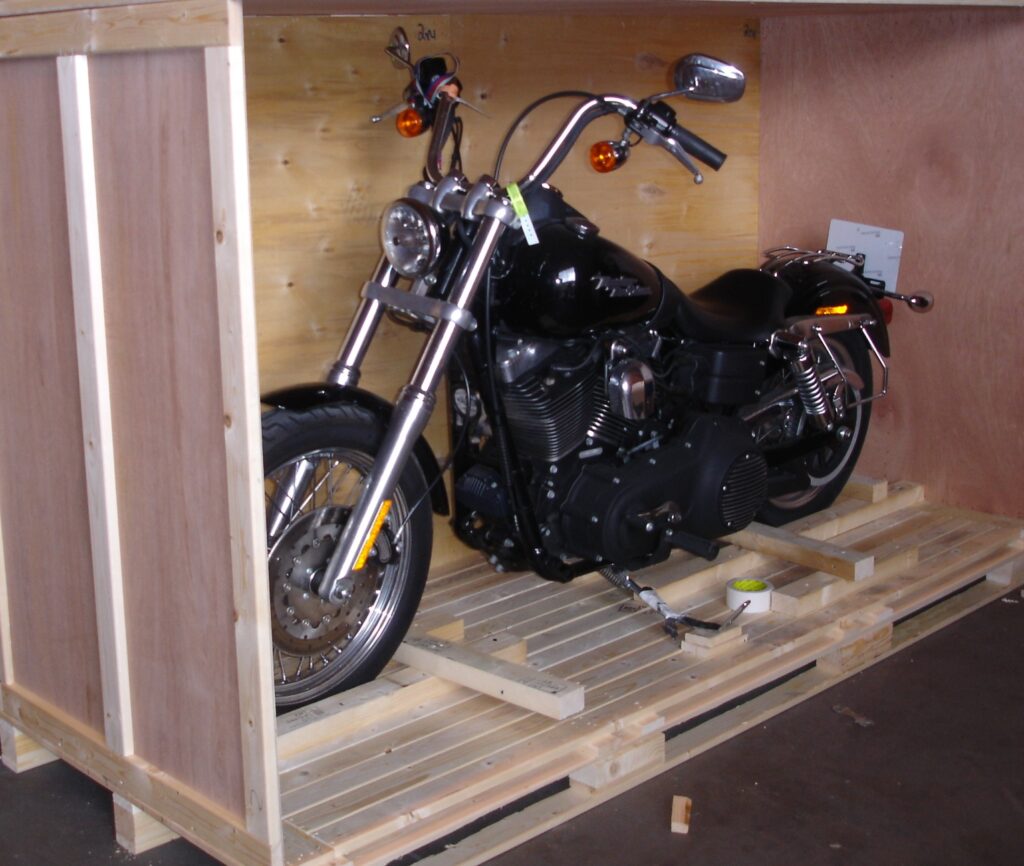
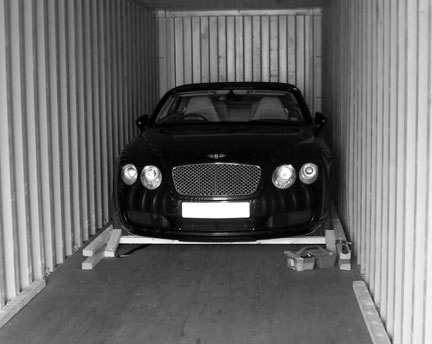
Estonia drives on the right, so as with most continental European moves, a UK right-hand-drive car is legal to bring but not ideal to live with long-term – parking, overtaking, and resale value all work against RHD vehicles in a LHD market. Most people relocating permanently choose to sell in the UK and buy locally. If you do bring a car, it will need Estonian registration and a roadworthiness inspection, and as a UK (third-country) vehicle you should expect import duty and VAT to apply unless you qualify for relief under Estonia’s equivalent transfer-of-residence provisions – check this specifically, since vehicle relief conditions are usually separate from household-goods relief. Motorcycles follow the same broad principle at a smaller scale.
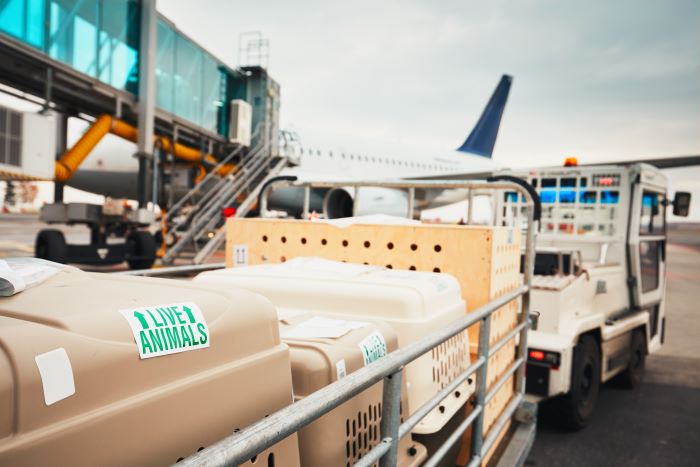
As an EU member state, Estonia follows the standard EU pet travel framework for animals arriving from the UK. You’ll generally need:
Estonia applies the standard EU framework only – no additional country-specific requirements apply for cats and dogs arriving from the UK. Start the process at least a month ahead of travel, since the rabies vaccination waiting period alone takes three weeks. A specialist pet relocator can manage this end-to-end if your timeline is tight.
Generally permitted: Standard household goods – furniture, electronics, personal effects, and kitchenware – can be imported without duty under Estonia’s transfer-of-residence provisions, provided you can demonstrate genuine relocation of your main residence and that you’ve owned the goods for the qualifying period beforehand.
Restricted items: Alcohol and tobacco above personal-use allowances require declaration. Certain electronics, particularly radio transmission equipment, can require additional certification – worth checking if you’re shipping specialist or business equipment as part of an e-Residency business setup. Prescription medication should travel with you, accompanied by your prescription, rather than in the shipment.
Prohibited items: As with the rest of the EU, unlicensed firearms and ammunition, illegal drugs, counterfeit goods, and protected wildlife products are prohibited outright. If in doubt, treat anything requiring a UK licence as requiring the equivalent – or being banned – on the Estonian side too, and confirm before packing rather than after.
No. E-Residency is a digital identity for running an Estonian company remotely – it grants no right to enter, live, or gain tax residency in Estonia. To physically move there, you need a Digital Nomad Visa or a standard residence permit.
E-Residency lets you register and run an Estonian company and access EU business banking, entirely from abroad. The Digital Nomad Visa is a physical residence permit for remote workers who want to actually live in Estonia, with its own income and application requirements. Many people use both together, but they solve different problems.
As of 2026, you generally need to show gross income averaging at least €4,500 per month over the six months before your application, with a €100 application fee and typical processing of up to 15 working days.
Generally yes – reported monthly budgets for a single person in Tallinn run from roughly £950 to £1,450, considerably below equivalent UK city living costs, though total household budgets vary with lifestyle and location.
You can, but most people relocating long-term sell in the UK and buy locally instead, given the cost and inconvenience of running a right-hand-drive car in a left-hand-drive country. A UK car brought over will need local registration, a roadworthiness check, and may attract import duty.
Real feedback from people who chose our international moving company.
“Our flat in Mustamäe is five floors up with no lift, which I’d warned them about twice. The crew just got on with it. Only thing broken was a lampshade.”
“We moved from Leeds to Tartu for my husband’s job. The lorry was three days later than planned, so we lived out of suitcases. Nothing damaged though.”
“After twenty-two years in Bristol I’ve moved back to Pärnu. My main worry was Dad’s wall clock, and it arrived wrapped like it was going to a museum. Very pleased.”