
Request a move quote
For most UK families, moving to Australia is not a decision made lightly. It tends to be years in the making, a visa application that took longer than expected, a job offer that finally came through, a decision to be near family that’s been on the table for a long time. By the time you’re ready to move, the question of *why* is settled. The questions left are practical ones: how long will it take, what will it cost, what happens at the Australian end, and who is responsible when something goes wrong.
This guide answers those questions honestly, including the parts that most removal company guides are vague about.



Sea freight is the right choice for the majority of UK-to-Australia moves. Your belongings are packed and collected at your UK property, consolidated into a shipping container, and transported by sea to an Australian port. From there, they clear biosecurity and customs before final delivery to your address.
Transit time: 8 to 12 weeks door to door. This is not “up to 12 weeks”, plan for the full range. The sea leg alone takes 35 to 45 days via the Suez Canal route through the Strait of Malacca to the east coast, plus packing and collection time in the UK, port handling, biosecurity clearance, and last-mile delivery at the destination. A straightforward move lands at the shorter end of that range. A move with a biosecurity hold lands at the longer end.
Cost: A dedicated container for a 3-bedroom house typically costs between £5,000 and £8,000. This covers packing, the sea freight, and standard customs clearance. Biosecurity inspection fees are additional and are charged by the Australian Department of Agriculture based on inspection time.
If you’re not moving the full contents of a property, perhaps you’re shipping selected furniture and personal items, or moving from a one-bedroom flat, a groupage shipment (also called a shared container or LCL, which stands for less than container load) is usually the most practical option. Your belongings share a container with other customers shipping to the same region, and you pay only for the cubic space your goods occupy.
Cost: Groupage for a smaller move typically starts from around £2,500, depending on volume.
The trade-off: Groupage shipments move when the container is full, not on a fixed date. Transit times are generally similar to dedicated containers, but you have less control over the departure date.
Air freight is faster, typically 2 to 3 weeks, but significantly more expensive per kilogram. It makes sense for a small number of genuinely essential items: work equipment, medication, or things you know you’ll need immediately on arrival. Most families use air freight for a small consignment and ship the rest by sea.

Eight to twelve weeks is the honest door-to-door range for sea freight from the UK to Australia. Here is what that time actually includes:
Stage | Typical timeframe |
Packing and collection in the UK | 1–3 days |
UK-side consolidation and port handling | 1–2 weeks |
Sea transit to Australia (Suez Canal route) | 5–7 weeks |
Port handling on arrival | 1–2 weeks |
Biosecurity assessment and clearance | 5–10 working days (standard) |
Final delivery to your address | 2–5 days |
What can extend the timeline: Biosecurity holds are the most common cause of delays beyond the expected range. If your shipment is selected for inspection, which is not unusual and is not a sign that something has gone wrong, inspection time adds days, and any required treatment adds more. Port congestion at busy periods can also affect the schedule.
Your move manager will give you a realistic estimate for your specific shipment and destination before you book.
Australia operates one of the strictest biosecurity systems in the world, designed to protect its unique ecosystem from introduced pests and disease. This applies to household goods arriving from the UK.
When your shipment arrives at the Australian port, the Department of Agriculture, Fisheries and Forestry reviews two documents: your **B534 form** (the Unaccompanied Personal Effects Statement, which declares what you are importing) and your **packing list**. Both are submitted before your shipment arrives. Inspectors use them to assess whether your goods present a biosecurity risk.
The packing list needs to describe your items accurately and specifically, not “bed frame” but “wooden bed frame,” not “cushion” but “cushion with feather filling.” Vague descriptions slow the assessment process. Accurate descriptions help inspectors make a decision quickly. The more specific your packing list, the faster your goods move through clearance.
The department is looking for any item that originated from, or contains part of, a plant or animal. Common categories that trigger closer inspection:
If your shipment is selected for inspection, it is held at the port while inspectors examine it. Inspection is charged by time, the more accurately your packing list describes your goods, the shorter (and less expensive) the inspection. If inspectors find items requiring treatment (fumigation for timber pests, for example), treatment is arranged at your cost before the shipment is released.
Most straightforward household goods shipments clear without significant issues. The families who experience the longest delays are typically those who have included garden tools, outdoor furniture with soil residue, or natural items without clean preparation.
Your in-country partner manages the biosecurity clearance process on your behalf. Your move manager in the UK remains your contact throughout, you do not need to find or deal with a different team once your belongings have left the UK.

Sydney is served through Port Botany, the largest container terminal on the east coast. It handles high volumes, which generally means good shipping frequency and a well-established customs and delivery infrastructure. Most suburbs of Greater Sydney are within a straightforward delivery radius of the port.
Melbourne is served through the Port of Melbourne. Transit times from the UK are broadly similar to Sydney, both are east coast destinations on the standard Suez Canal route. Melbourne’s port is one of the busiest in Australia, which means efficient freight processing under normal conditions.
Brisbane is served through the Port of Brisbane. Like Sydney and Melbourne, it sits on the east coast and falls within a similar transit time range. The delivery radius covers Greater Brisbane and southeast Queensland, with regional Queensland deliveries adding time.
Perth is served through Fremantle port on the west coast. Shipping routes and consolidation schedules vary, your move manager will give you a specific timeline estimate for a Perth delivery, as the routing from UK ports differs from east coast destinations. Perth is also the most geographically isolated of the major Australian cities, which affects last-mile logistics for addresses outside the metropolitan area.

These are the things that come up repeatedly in conversations with families who have completed a UK-to-Australia move. They are not intended to alarm; they are intended to make sure nothing surprises you.
“8–12 weeks” means 8–12 weeks. This is not a vague estimate with a best-case scenario of five weeks. Container ships follow schedules; consolidation warehouses fill at their own pace; customs and biosecurity take the time they take. Families who plan around a nine or ten-week timeline and have flexible accommodation at the Australian end manage this well. Families who plan around a six-week optimistic estimate and have committed to a specific move-in date tend to have a difficult few weeks at the other end.
Biosecurity is not a formality. UK families often think of customs as a box-ticking exercise. Australian biosecurity is a genuine inspection process. Cleaning garden tools, treating wooden furniture, and preparing an accurate packing list is not overcaution; it directly affects how long your goods are held and what additional costs you incur.
Your belongings may arrive before you’re ready for them. If your rental property is not available until after your shipment clears, you need a plan for destination-side storage. This is standard and manageable, but it needs to be planned, not discovered after the container arrives.
The destination side of the move is a logistics operation in its own right. Biosecurity, customs documentation, port handling, and last-mile delivery in Australia involve multiple parties. The difference between a well-managed and a poorly-managed Australia move often comes down to how well your removal company’s in-country partner is briefed, and who is keeping track of your move file at the UK end.





If you’re moving to Australia, it’s very likely you’ll need to exchange a significant amount of currency. Many people lose out by using their bank, assuming it’s the only option. However, there are specialist currency exchange providers that offer more competitive rates and can help you save thousands. To find out how to make your money go further during your move, speak to one of our move managers, click here, or give us a call: +44 20 7097 5335.
We always advise taking out move protection liability cover with us on every move. Although we like to think we’re the best in the industry, the odd accident can occasionally happen. For added peace of mind, make sure to speak to one of our move managers about this.
Shipping a vehicle to Australia involves more steps than a standard household move, and several of them need to happen before your car or motorcycle leaves the UK. Starting this process early is essential.
What you’ll need to have ready:
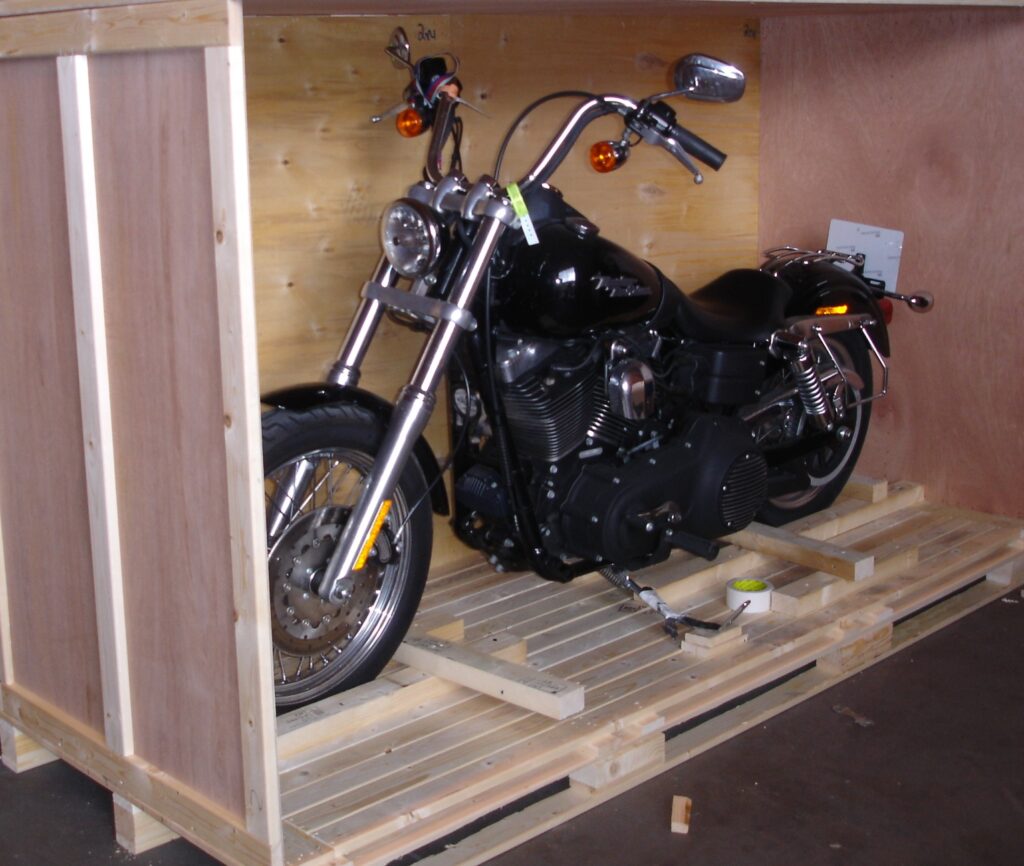

A few things to know before you ship:
The Vehicle Import Approval is not optional, it is a legal requirement, and your vehicle cannot be imported without one. Apply for it well in advance of your move date.
Once your vehicle arrives in Australia, customs clearance takes place at the port of entry. Customs duties and Goods and Services Tax (GST) must be paid at the point of import. There is an exception for returning Australian vehicles, where GST only applies, and GST only is payable on motorcycle imports regardless of origin. Your move manager can help you understand what to expect for your specific vehicle.
If your vehicle qualifies as a luxury car under Australian tax law, Luxury Car Tax (LCT) may also apply. The Australian Taxation Office sets the thresholds and rates, it’s worth checking this before you commit to shipping, as the additional cost can be significant for higher-value vehicles.
As with all goods entering Australia, your vehicle will also be subject to biosecurity assessment. Vehicles should be thoroughly cleaned inside and out, including the engine bay, wheel arches, and undercarriage, to remove any soil, plant matter, or organic residue before shipment. A vehicle that triggers a biosecurity hold at the port will incur additional inspection fees and delays.
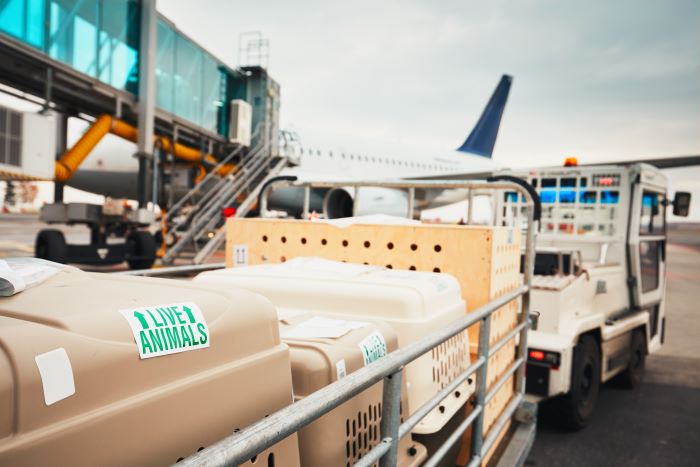
Australia has some of the strictest pet import rules in the world, and the process requires considerably more lead time than most people expect. The key is to contact the Department of Agriculture, Fisheries and Forestry before making any other arrangements, requirements vary significantly depending on your animal’s species and the country it is coming from.
What you’ll need:
What to know:
All animals imported into Australia are quarantined on arrival, without exception. Before your pet travels, you need to select the quarantine station where it will be held. This is a requirement of the import process, not something arranged on arrival.
Import Permits take approximately ten business days to be approved from the date of receipt by the Department of Agriculture, provided the application is complete and correct. Incomplete or incorrect applications take longer. Given the other moving parts of an international move, factoring this into your timeline early avoids a situation where your pet’s travel is delayed while your own departure is confirmed.
During the quarantine period, your pet can only be visited by the person named as the importer on the application. If you are travelling as a family, agree in advance who that person is.
Requirements and restrictions vary considerably depending on the country of origin and the type of animal. What applies to a cat coming from the UK is not the same as what applies to a dog, and conditions can change. Contact the Department of Agriculture, Fisheries and Forestry before you begin the process. Your move manager can point you in the right direction.
Australia’s biosecurity and customs rules are among the most detailed of any destination country. The list below is long, but understanding it before you pack will save you time, money, and potential delays at the Australian end.
Items that are restricted (must be declared, may incur duty or require permission)
These items are not banned outright but require declaration before your belongings leave the UK, and some require advance approval to import:
The following goods are subject to trade restrictions linked to international embargoes. Contact the Department of Foreign Affairs and Trade (DFAT) for guidance before shipping anything to or from these regions:
If any of the above apply to your move, raise it with your move manager at the earliest opportunity. Advance paperwork is always easier to manage than resolving a hold at the port.
.
Sea freight from the UK to Australia typically takes 8 to 12 weeks door to door. This includes packing and collection in the UK, transit time at sea (usually 35–45 days via the Suez Canal route), port handling at the Australian end, biosecurity clearance, and final delivery to your address. Biosecurity holds can add time, usually 5 to 10 working days if your shipment is selected for inspection, longer if treatment is required.
A shared container (groupage) for a smaller move typically starts from around £2,500. A full dedicated container for a 3-bedroom house typically costs between £5,000 and £8,000. These figures cover packing, shipping, and standard customs clearance. Biosecurity inspection fees at the Australian end are charged separately and are based on inspection time.
The B534 (Unaccompanied Personal Effects Statement) is the Australian customs declaration form required for all household goods arriving from overseas. Your removal company should guide you through completing it accurately. The Department of Agriculture, Fisheries and Forestry reviews the B534 and your packing list to assess biosecurity risk before your shipment arrives, accurate descriptions on the packing list directly affect how quickly your goods clear.
Items most commonly flagged are wooden furniture and items (including bed frames, garden furniture, and wooden ornaments), anything containing natural fibres, food items of any kind, and any item with visible soil, dirt, or organic residue. Inspectors look for any plant or animal material that could introduce pests or disease. Items flagged for inspection incur additional fees charged by time; items requiring treatment may also incur treatment costs.
Yes. Your dedicated move manager remains your primary contact throughout the move, including the destination side. They coordinate with Gerson Moving Services’ in-country partner in Australia to manage biosecurity clearance, port handling, and final delivery to your address. You contact your move manager in the UK, not a different team at the other end, for updates while your belongings are in transit or clearing customs.
Sea freight transit times to Australian ports are broadly similar for Sydney, Melbourne, and Brisbane on the east coast, typically within the same 8–12 week door-to-door range. Perth (served through Fremantle port) can vary depending on the shipping route and consolidation schedule. Final delivery after port clearance depends on the distance between the port and your destination address, which your move manager will factor into your timeline estimate.
See Also
Australia moves take time to plan properly, especially the biosecurity preparation and documentation side. The earlier you speak with your move manager, the more accurately we can build your timeline and make sure nothing delays your clearance at the Australian end. Get a quote for your Australia move
Real feedback from people who chose our international moving company.
“Our relocation to Australia was smooth from beginning to end. The team were organised, communicative, and clearly experienced with international moves. Everything arrived in perfect condition, which gave us real peace of mind during a big life change.”
“From the initial enquiry through to delivery in Australia, the service was outstanding. Every detail was managed professionally, and we always felt supported throughout the process. It turned what could have been a stressful move into a very positive experience.”
“Moving to Australia felt like a huge undertaking, but the entire experience was handled with such efficiency and care. Yasmin kept us informed at every stage, and everything arrived safely and on schedule. It made settling in so much easier than we expected.”