
Request a move quote
Last updated: April 2026
Germany is the fourth most popular destination for British expats, with approximately 120,000 UK nationals now living there. Since Brexit, the process of moving from the UK to Germany has a layer of customs complexity that did not exist before January 2021, not insurmountable, but specific enough that the documentation needs to be right before your belongings leave the UK.
This guide covers what the move actually involves: costs, transit times, the customs paperwork, and what happens when your belongings arrive in Germany. If you are still deciding between cities, it also covers the main differences between Munich, Berlin, Hamburg, and Frankfurt from a relocation perspective.



Road freight is the most common method for UK-to-Germany removals; it is cost-effective and well-suited to European distances.
Shipment size | Road Part-load (groupage) | Dedicated truck |
1-bedroom flat | £2,500–£3,000 | £3,500–£4,500 |
2-bedroom flat | £3,500–£4,500 | £5,000–£6,500 |
3-bedroom house | £5,000–£7,000 | £7,000–£9,000+ |
Add 1–3 days for customs clearance at the German end. The above figures are approximate; your move manager provides a survey-based quote that reflects your actual volume and specific address-to-address distance.
Air freight is available for smaller, time-sensitive shipments. Sea freight is rarely used for UK-to-Germany moves, given the road freight option.

Before Brexit, moving household belongings from the UK to Germany was treated as an internal EU move with no customs paperwork. Since January 2021, it requires a formal customs declaration and supporting documentation. Getting this right is the single most common source of delays on UK-to-Germany removals.
If you are moving your primary residence from the UK to Germany, your personal belongings can be imported duty-free under what German customs calls *Übersiedlungsgut* (transfer of residence goods). The conditions are:
Most household goods that belong to someone moving their life to Germany qualify. New items purchased in the UK specifically for the move, items intended for resale, and vehicles require separate treatment.
This is the key document for a duty-free transfer of residence to Germany. Customs Form 0350 (*Zollformular 0350*) is the German customs declaration for personal belongings. Your move manager provides this form and guidance on how to complete it correctly before your collection date.
Required supporting documents alongside Form 0350:
Your move manager provides a full documentation checklist for your specific situation. Missing or incorrect paperwork is the most common reason for customs delays, not fraud or restricted items.
Here is the thing that most removal guides do not explain clearly enough: the Anmeldung registration process interacts directly with your customs clearance, and the timing matters.
Within 14 days of arriving in Germany, every resident must register their address at the local registration office, called the Einwohnermeldeamt, Bürgeramt, Kreisverwaltungsreferat (in Munich), or simply the Bürgerservice, depending on your city. You receive a document called the *Anmeldebestätigung*, confirmation of registration, which is issued on the day you register.
The Anmeldebestätigung is one of the documents required for customs clearance of your shipment. This means: if your belongings arrive at the German customs point before you have registered your address, you will not yet have the confirmation document you need to release them.
In practice, the most straightforward sequencing is:
If your belongings arrive before you have registered, this can be managed, but it introduces additional steps. Discuss the timing with your move manager at the booking stage.
This is the detail that catches people out most often on UK-to-Germany moves, and the one that is easiest to avoid with a short conversation at the planning stage.
We always recommend speaking directly to the relevant embassy for the most accurate and up to date moving advice:
Your removal arrives in Germany and passes through customs clearance, where the documentation is reviewed by German customs authorities. Your move manager’s in-country partner handles the customs process in Germany; you are not dealing with this independently.
Once cleared, your belongings are delivered to your German address. Delivery is to the room of choice. Your move manager remains your primary contact through this stage. If customs requires additional documentation or has a question, they contact you directly and coordinate the resolution.

Germany’s four main expat cities are different enough from each other that the choice matters. Here is what differs from a removal and resettlement perspective:
Berlin: Germany’s capital and the most cosmopolitan option. Large English-speaking community, strong digital and creative economy, lower cost of living than Munich or Hamburg. Delivery logistics are straightforward; Berlin is well-served by road from the UK.
Munich: The most expensive German city. Strong corporate and financial sector, high English proficiency in professional environments, and proximity to the Alps. Munich-specific note: the registration office is called the Kreisverwaltungsreferat (KVR), same process as elsewhere, different name.
Hamburg: Germany’s second city and its largest port. Strong international business community, English is widely spoken in commercial contexts. Reasonable cost of living relative to Munich. Good road access from UK ports.
Frankfurt: Germany’s financial centre and home to the European Central Bank. High concentration of UK financial services expats. Frankfurt Airport is one of Europe’s main hubs, useful for regular return trips to the UK.
All four cities have established British expat communities and English-language professional networks. The registration process (Anmeldung) is the same across all cities, with minor local variations in office name.





If you’re moving to Germany, it’s very likely you’ll need to exchange a significant amount of currency. Many people lose out by using their bank, assuming it’s the only option. However, there are specialist currency exchange providers that offer more competitive rates and can help you save thousands. To find out how to make your money go further during your move, speak to one of our move managers, click here, or give us a call: +44 20 7097 5335.
We always advise taking out move protection liability cover with us on every move. Although we like to think we’re the best in the industry, the odd accident can occasionally happen. For added peace of mind, make sure to speak to one of our move managers about this.
Shipping a vehicle to Germany is straightforward if your paperwork is in order, but it does require more preparation than moving household belongings, so it’s worth starting early.
What you’ll need to have ready:
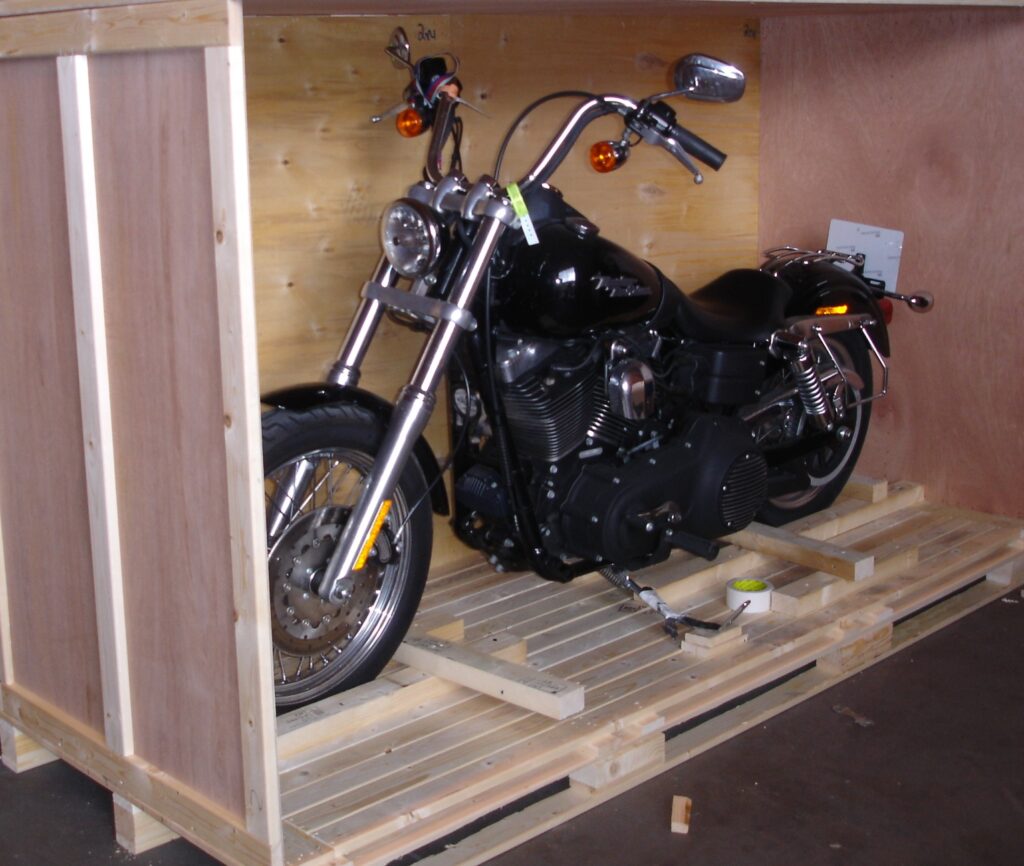
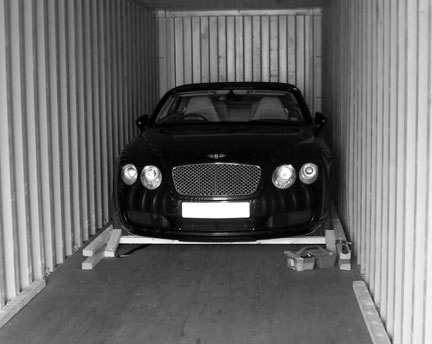
A few things to know before you ship:
Your car or motorcycle must have been in your possession for at least six months before it leaves the UK. This is confirmed through a simple declaration as part of the customs process; you won’t need to produce additional evidence, but the six-month rule applies strictly.
Before you can register and use your vehicle in Germany, it will need to pass a TÜV inspection, the German equivalent of an MOT. German technical and environmental standards differ from UK requirements, and some vehicles may need modifications to comply. It’s worth checking this before you ship rather than after.
Tax and duties must be settled directly with the customs office before your vehicle is released. Your move manager can advise on what to expect here based on your specific vehicle and timeline.
One detail that catches people out: you’ll need your Anmeldebestätigung, your German town hall registration, before customs clearance can proceed. This is the same registration required for your household belongings. If you’re shipping both your home contents and a vehicle, coordinating the timing of your Anmeldung matters.
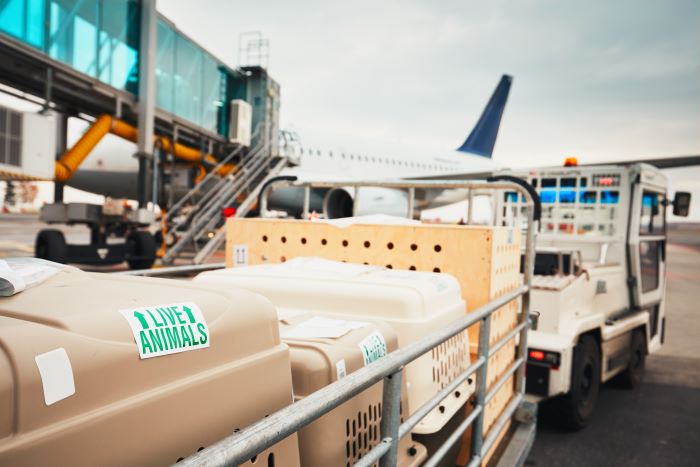
Germany is one of the more straightforward European countries for pet relocation, but the paperwork has firm rules, and the timelines are tight. Getting this right early makes the rest much easier.
What you’ll need:
What to know:
The health certificate is valid for only ten days from the date it’s issued (twenty days for pets travelling from non-European countries). That means the timing of your vet appointment needs to be planned around your move date, not done weeks in advance and filed away.
The certificate must clearly describe the animal and confirm it is free from rabies and other contagious diseases. All cats and dogs entering Germany must also be fitted with an identification microchip. If your pet isn’t already chipped, this should be arranged well before travel.
If you’re moving a cat or dog under three months old, you’ll need an import permit from both the state authority at your destination in Germany and the authority at the port of entry. This takes additional time to arrange, so flag it with your move manager as early as possible.

A 1-bedroom flat by road freight typically costs £2,500–£3,000. A 3-bedroom house is usually £5,000–£7,000. Your move manager provides a survey-based quote reflecting your actual shipment.
No, if you are transferring your primary residence, your personal belongings are imported duty-free under transfer of residence rules, provided they have been owned and used for at least six months.
Mandatory residency registration in Germany, required within 14 days of arrival. The confirmation document (Anmeldebestätigung) is needed for customs clearance of your shipment, timing your move to arrive after you have registered avoids delays.
German Customs Form 0350, Anmeldebestätigung, passport copy, packing inventory, proof of UK residency (P60, 12 months council tax bills), German rental agreement, and a signed declaration of no prohibited items.
Road freight from the UK to Germany takes 7–14 days. Add 1–3 days for customs clearance. Total: usually 2–3 weeks from packing day to delivery.
Since Brexit, UK nationals need a German residence permit for stays longer than 90 days. The specific visa type depends on your reason for moving. Consult the German Embassy in London or an immigration lawyer for current requirements.
Your dedicated move manager can walk you through the documentation requirements for Germany, including Form 0350 and Anmeldung sequencing, during the first call.
Real feedback from people who chose our international moving company.
“Moving to Germany felt daunting, but the entire process was handled with real professionalism and care. Yasmin, our move manager, kept us informed throughout, managed all the logistics seamlessly, and our belongings arrived exactly as expected. It made settling into our new home far less stressful than we imagined.”
“Our move to Germany was incredibly well organised from start to finish. Communication was consistent, timelines were accurate, and everything arrived safely without any issues. It took a huge weight off our shoulders during what could have been a very stressful time.”
“We needed a dependable service for our move to Germany, and that’s exactly what we got. Every stage was handled efficiently, with clear updates and excellent attention to detail. Everything arrived in perfect condition, making our relocation feel straightforward and well-managed.”