
Request a move quote



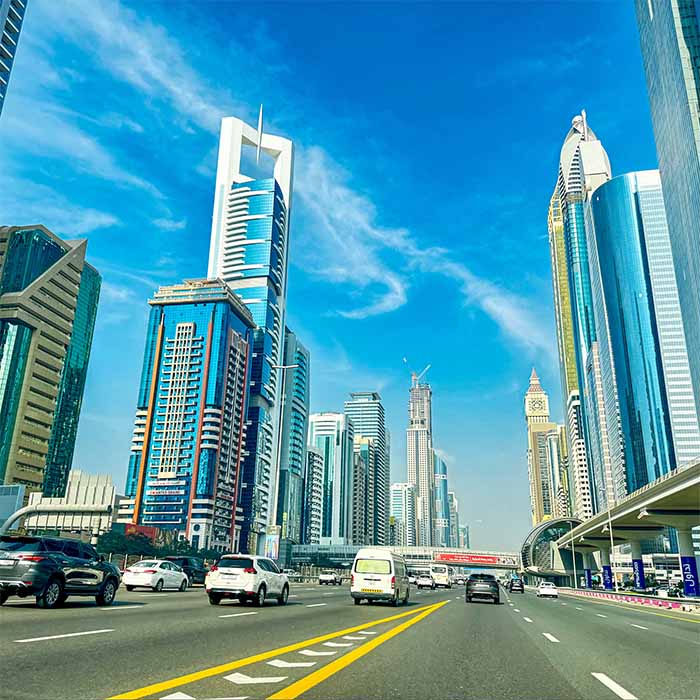
Dubai is one of the most popular destinations for UK nationals relocating to the Middle East, and one of the fastest-moving in terms of how the city itself has changed. What was a regional business outpost twenty years ago is now a global hub for finance, technology, logistics, real estate, and hospitality, with an established UK expat community of over 240,000 people.
The move is logistically manageable: sea freight from the UK to Dubai arrives faster than almost any other long-haul destination, typically within three to five weeks. UAE customs has its own specific requirements, and a few items that are unremarkable in a UK household are restricted or prohibited in the UAE. Knowing this before you pack avoids problems at the other end.
Planning on moving to Dubai from the UK? At Gerson Moving Services we provide expert international removals to Dubai, offering a smooth and secure relocation experience from start to finish. As a popular destination for expats, Dubai attracts people from around the world with its vibrant lifestyle, career opportunities, and modern amenities. Whether you’re moving for work, family, or lifestyle reasons, our dedicated team will handle every step of your international move.

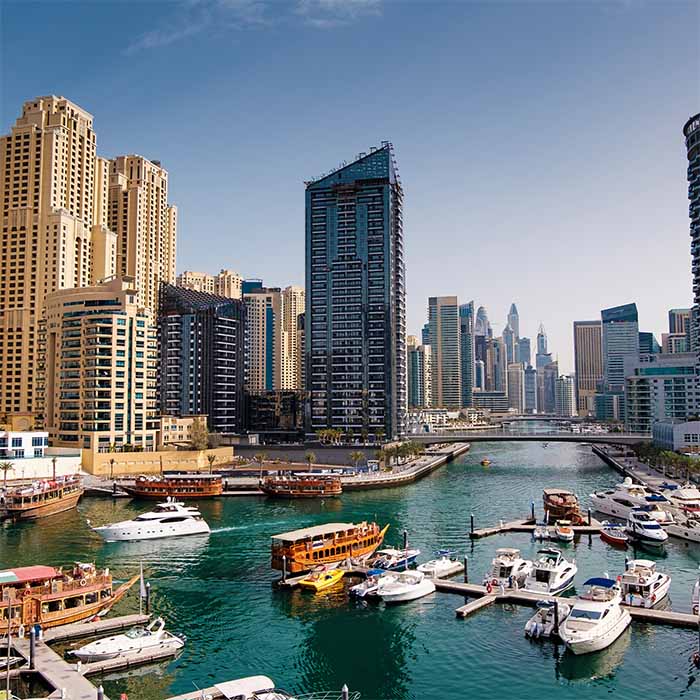
Dubai is served through the Port of Jebel Ali, one of the world’s largest container ports, located approximately 35km southwest of Dubai city centre. It handles the vast majority of household goods shipments arriving in the UAE from the UK.
Typical transit time: 3–5 weeks door to door. This includes packing and collection at your UK property, UK port handling, the sea leg through the Suez Canal and Red Sea to the Arabian Gulf (typically 18–25 days), port handling at Jebel Ali, UAE customs clearance, and final delivery to your Dubai address.
Container options:

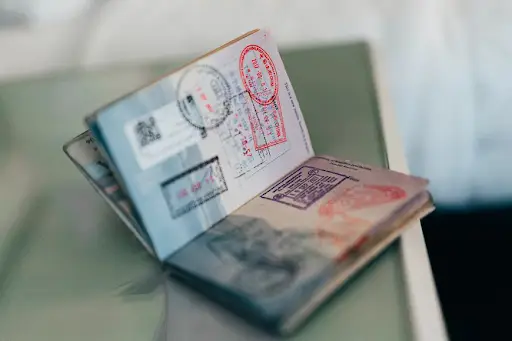
Your residence visa matters for customs clearance. UAE customs requires proof of residency for your household goods to be released. If your shipment arrives at Port of Jebel Ali before your residence visa has been issued, your belongings will be held in customs storage, and you will be charged for every day they are held. This is the single most common avoidable delay on UK-to-Dubai moves.
The sequence that works: confirm your visa is approved and issued before your shipment departs the UK, or at minimum, time the arrival to follow your visa issue date by a safe margin. Your move manager will discuss this timing with you before your collection date.
Transfer of Residence relief: The UAE does not levy import duty on personal household effects for residents establishing their primary home in the country. Your goods can be imported duty-free, provided they are for personal use and not for resale. New items purchased specifically for the move may be treated differently, declare them separately.
Documentation required:
Your move manager prepares this documentation as part of the move process.
A number of items that are unremarkable in the UK are prohibited or heavily restricted in the UAE. The consequences of shipping prohibited items to Dubai are serious; goods can be seized, and criminal charges may apply in some cases. Check your shipment carefully before packing:
Prohibited, do not ship:
Restricted, must be declared:
If you are unsure about any item, raise it with your move manager before it goes into a box. Customs clearance issues discovered at the Port of Jebel Ali are significantly harder and more expensive to resolve than questions addressed before departure.

From the point your survey is confirmed, your dedicated move manager handles:
ger is your main point of contact throughout. The Dubai in-country partner handles delivery and port coordination at Jebel Ali on the ground, practical given the time difference, with your move manager coordinating at every stage.

The UAE does not offer permanent residency in the traditional sense; most residents hold renewable residence visas, typically issued for two or three years and renewable indefinitely provided you remain employed or have qualifying assets.
The most common routes for UK nationals moving to Dubai:
Employment visa, the most common route. Your UAE employer applies for the visa on your behalf and sponsors your residence. Once approved, you complete the entry process in Dubai, including a medical check and Emirates ID registration. Employment visas are tied to your employer; if you change jobs, your visa must be transferred or cancelled and reissued.
Investor or partner visa, for those establishing or investing in a UAE business. Requirements vary depending on the business structure and free zone or mainland registration.
Property owner visa, Dubai allows property owners whose property meets a minimum value threshold (currently AED 750,000 for a 2-year visa, AED 2 million for a 10-year Golden Visa) to obtain residency without employment sponsorship.
Golden Visa (10-year), available to investors, entrepreneurs, scientists, and professionals in specific fields. Provides long-term residency without employer dependence.
Family visa: Once a primary resident holds a qualifying visa, family members can be sponsored on a dependent visa.
Cost of living: Dubai is not cheap, but salaries in the UAE are tax-free, and there is no income tax for individuals, which significantly changes the effective cost of living calculation. The practical cost areas to plan for: accommodation (significant, particularly in central areas and those with good school access), private health insurance (mandatory for residents), private schooling if you have children (state education is available, but most expats use private international schools), and cars (public transport outside central Dubai is limited, and most families need at least one car).
Accommodation: Rent in Dubai is typically paid in advance by cheque, one to four post-dated cheques for the year is standard, with fewer cheques meaning a lower total rent in many cases. Negotiating the number of cheques is part of the rental process. Your first year’s rent may be due before you have fully established your UAE bank account; plan for this.
Healthcare: Private health insurance is mandatory for all UAE residents. Most employers include this as part of the employment package; if yours does not, or if you are moving independently, arrange cover before you arrive.
Schools: Dubai has a large number of British curriculum international schools, several of which are highly rated. Admission processes and waiting lists at the most popular schools are competitive; begin enquiries well before your move date, ideally as soon as you have a confirmed relocation timeline.
Climate: Summers in Dubai (June–September) are extremely hot and humid, regularly exceeding 40°C. Most daily life during summer happens indoors or in the early morning and evening. The winter months (November–March) are mild and very pleasant, 20–25°C, and are the season when Dubai is at its most liveable.
Alcohol: Alcohol is available in licensed venues and can be purchased from licensed retailers (with a personal licence), but it is not freely available in the way it is in the UK. Public consumption is illegal. This should inform what you ship; as noted above, alcohol cannot be included in your removal.

Gerson Moving Services has years of experience managing international relocations to destinations worldwide. Our international removals to Dubai are designed to provide total peace of mind, combining expert packing solutions, secure shipping, and end-to-end coordination including storage options.
Every client is assigned a dedicated move manager who oversees your relocation, ensuring constant communication and full transparency. Whether you’re shipping a few boxes or an entire household, we’ll tailor your move to your needs – making moving to Dubai from the UK simple and stress-free.

What our clients say speaks volumes about the standards we maintain on every international move.
“Relocating to Dubai was a big step for us, but the entire process was handled smoothly from start to finish. We received regular updates, and everything arrived safely and on time. It made settling into our new home so much easier.”
“Our move to Dubai was managed with great care and professionalism. Communication was clear throughout, and every detail was handled efficiently. All our belongings arrived in perfect condition, which gave us real peace of mind.”
“Moving to Dubai felt far less stressful thanks to the excellent service we received. The team were organised, responsive, and supportive at every stage. Everything arrived exactly as expected, making the whole experience seamless.”
Typically 3–5 weeks door to door. This covers packing and collection in the UK, the sea leg through the Suez Canal to Port of Jebel Ali (18–25 days), customs clearance, and delivery to your Dubai address. Having your residence visa issued before your shipment arrives is the key factor in avoiding delays at customs.
No. Alcohol of any kind is prohibited from import in UAE household goods shipments. This includes wine, spirits, beer, and alcohol-based gift products. Do not include any alcohol in your removal, it will be seized at customs.
Your goods will be held in customs storage at Port of Jebel Ali at your cost until your visa is confirmed. This is the most common avoidable delay on UAE moves, timing your shipment departure to ensure your visa is issued before arrival is essential.
Yes, for families where the finances stack up. Dubai has a wide range of British curriculum international schools, excellent healthcare, and very low crime rates. The cost of private schooling is significant and should be factored into relocation planning, school fees for one child at a reputable British curriculum school typically run AED 40,000–90,000 per year.
UK licence holders can drive in Dubai temporarily. Once you have your UAE residence visa, you will need to exchange your UK licence for a UAE licence, the process involves a driving test, a knowledge check and an eye test, and is typically completed at an RTA centre within a few days.