Request a move quote
Turkey has become one of the fastest-rising destinations for UK movers in the past year, driven largely by its cost-of-living advantage against the UK and much of Western Europe. If you’re one of the people behind that trend, there’s one thing worth understanding before anything else: Turkish customs runs on a strict timing window, and getting it wrong is the single most common reason shipments get held or delayed.
Your move manager builds your shipment timeline around this window from the very first conversation – not something you’re left to work out from a checklist.



Turkey’s appeal for UK movers has grown noticeably this year, largely on cost of living: day-to-day expenses, property, and dining out remain significantly lower than in the UK for most cities outside central Istanbul, while offering an established expat community, a genuine change of pace, and easy flight connections back to the UK. It’s a real, evidenced shift, not a one-off spike – worth taking seriously if you’re weighing Turkey against more traditional destinations like Spain or Portugal.
This is the detail that matters most for a Turkey move: your household goods must arrive in Turkey between 2 months before and 6 months after your own arrival date. For shipments arriving by air specifically, you (the owner) must arrive within 1 month either side of the goods’ arrival.

Turkish customs is document-heavy, and precision matters – the names on your passport must match the bill of lading exactly, and any discrepancy can hold up clearance. You’ll typically need:
Non-Turkish citizens who are married to a Turkish national, or who are renting a property in Turkey, may need additional documents (marriage certificate or rental contract). Returning Turkish citizens need a permanent return certificate or export declaration instead.
One rule worth flagging clearly: only used goods are accepted, and items packed by the owner (PBO) are not permitted. Everything in your shipment needs to be genuinely used personal property, professionally packed as part of your move – not new-in-box items or anything you’ve packed yourself to save on service.
We always recommend speaking directly to the relevant embassy for the most accurate and up to date moving advice:
Groupage sea freight is typically the most cost-effective option for standard household volumes; full container load suits larger households. Your move manager will confirm a specific cost range once they understand your shipment volume, work permit status, and timeline – get in touch for a personalised quote.

Istanbul remains the most popular destination for its international connections, career opportunities, and cultural depth, though it’s also the most expensive Turkish city. Ankara and Izmir offer strong expat communities with a lower cost of living than Istanbul. Antalya and the wider Aegean coast attract movers drawn to the climate and a slower pace of life, while Bursa, Adana, Gaziantep, Konya, Kayseri, and Mersin each carry smaller but established international communities, generally at the most affordable end of the cost spectrum.





If you’re moving to Turkey, it’s very likely you’ll need to exchange a significant amount of currency. Many people lose out by using their bank, assuming it’s the only option. However, there are specialist currency exchange providers that offer more competitive rates and can help you save thousands. To find out how to make your money go further during your move, speak to one of our move managers, click here, or give us a call: +44 20 7097 5335.
We always advise taking out move protection liability cover with us on every move. Although we like to think we’re the best in the industry, the odd accident can occasionally happen. For added peace of mind, make sure to speak to one of our move managers about this.
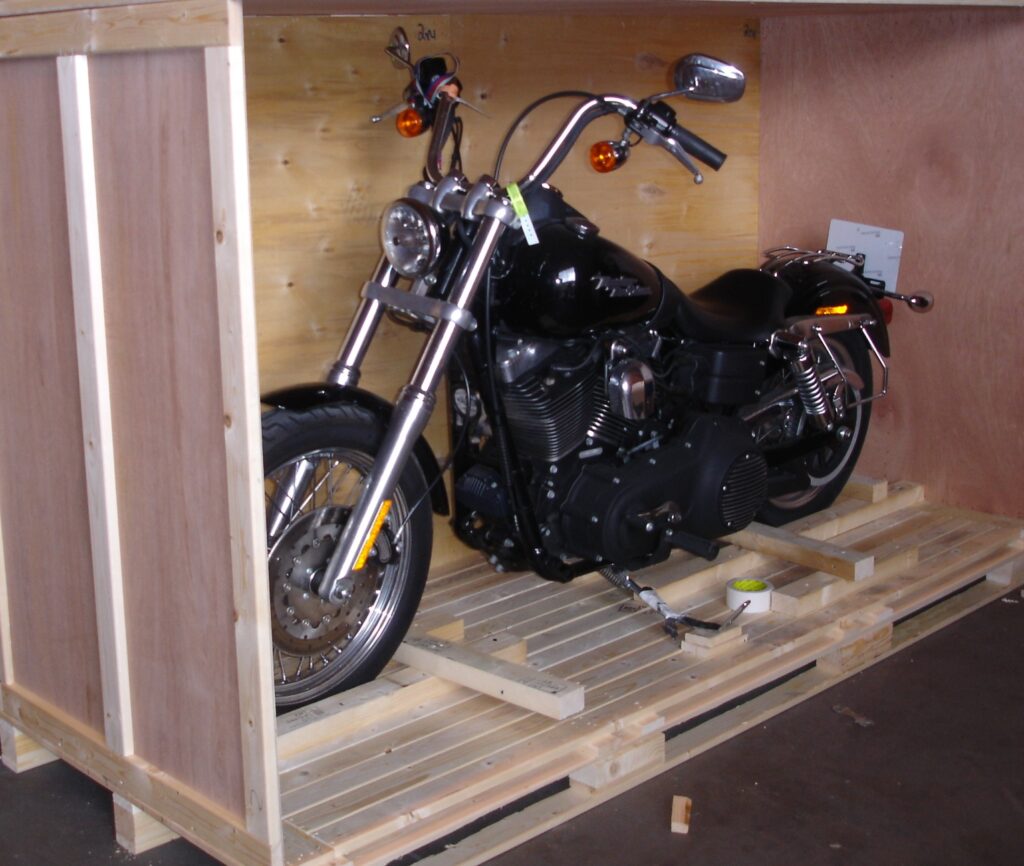
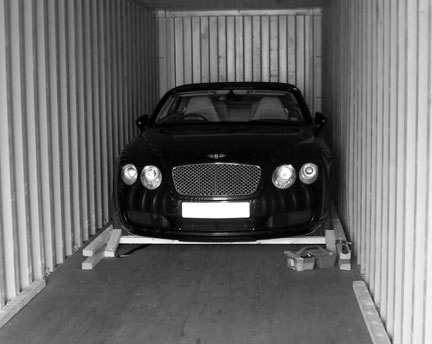
Importing a UK car to Turkey is possible but comes with real constraints worth knowing before you commit to it:
Given the age restriction and tax implications, many UK movers find it’s genuinely worth comparing the cost of shipping against buying locally in Turkey before committing either way.
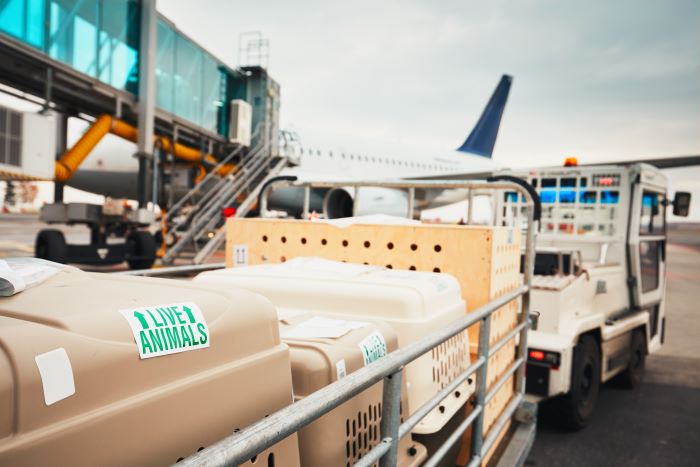
Cats and dogs can travel to Turkey as accompanied baggage, cabin cargo, or standard cargo, depending on the airline and route. You’ll need an up-to-date veterinary health record and vaccination record (including rabies) before travel. Requirements can vary by airline and specific route, so confirm the current requirements with a specialist pet relocator in good time – your move manager can refer you to one as part of your move planning.
Generally permitted: used household goods, furniture, clothing, and personal electronics, listed on a detailed inventory with brand names and serial numbers where applicable.
Restricted – subject to quantity limits or taxation: alcohol (limited to 2 bottles, 75ml each, under the personal exemption), and plants (limited to 3). Items beyond these limits may be taxed or require additional permits.
Prohibited entirely: drugs and narcotics, meat-based products, gambling machines, and weapons. If you’re shipping any items as accompanied baggage or by courier rather than as part of your main household shipment, note that aerosols, fragrances, ammunition, live animals, anything petrol-containing, laptops, mobile phones, lighters, prescription medications, paints, passports, and tobacco face additional restrictions in that specific shipping method – your move manager can advise on the right way to ship anything unusual in your inventory.
Gerson Moving Services holds British Association of Removers (BAR) membership with the BAR Advanced Payment Guarantee, International Association of Movers (IAM) accreditation, FIDI FAIM accreditation, and is part of the AGM Group of companies. Disputes are handled through the Furniture & Home Improvement Ombudsman (FHIO).
Beyond the move itself, your move manager can also help coordinate currency exchange, home and school search, visa and immigration support, temporary accommodation, and storage – all through the same point of continuity, from first survey to final delivery in Turkey.

Real feedback from people who chose our international moving company.
“Our move from Surrey to Istanbul could have been chaos, but Gerson took it all on. Packing, shipping, Turkish customs – handled. We were unpacked in ten days.”
“Quoted honestly, delivered on time, no hidden extras. Everything reached our apartment in Izmir exactly as promised, and the crew were friendly and careful throughout the whole process.”
“Twenty years of belongings made it to Antalya without any damage at all. The packers were meticulous, and someone kept us informed at every stage of the shipment.”
Between 2 months before and 6 months after your own arrival date. For air shipments specifically, you need to arrive within 1 month either side of your goods.
No. Turkish customs only accepts used personal goods that have been professionally packed as part of your move – items packed by the owner (PBO) are not permitted.
Typically 4–5 business days once your shipment arrives, provided your documentation is complete and accurate.
Yes, but the vehicle must be less than 3 years old at purchase, and dual UK-Turkish nationals cannot import a private car under the standard exemption. Import tax is based on age and engine capacity, so it’s worth comparing shipping cost against buying locally in Turkey.
Primarily cost of living – Turkey offers meaningfully lower day-to-day costs than the UK and much of Western Europe in most cities, alongside an established expat community and strong flight connections home.