
Request a move quote
Last updated: September 2026 | Author: Taylor Eddison, Gerson Move Manager
Brazil is a long way from the UK, and a household removal to Brazil has two legal requirements that catch UK movers out more than any others: you need a CPF number before your shipment can clear customs, and Brazilian law requires you to be physically present in Brazil when it does. Neither is complicated once you know about it. Both are genuinely disruptive if you find out after your shipment has already left.
This guide explains what those requirements mean in practice, and what the rest of a UK-to-Brazil removal looks like from collection to final delivery.




Sea freight is the standard method for household moves from the UK to Brazil. The distance makes air freight viable only for small volumes or genuinely time-critical items.
Groupage (shared container, LCL): Your goods travel alongside other customers’ shipments in a shared container. The most cost-effective option for anything up to a three-bedroom household. Transit time: 8-12 weeks to Santos port.
Full container load (FCL): A dedicated container, sealed for the entire journey. Typically chosen for larger household moves. Transit time: 6-9 weeks.
Air freight: Transit time of 5-7 days. Used for small volumes, essential documents, or items needed immediately on arrival. Cost per cubic metre is significantly higher than sea freight – many families combine the two: air freight for priority items, sea freight for the main household.
Main port of entry: Santos, São Paulo State – the largest port in Latin America and the standard entry point for UK household goods destined for São Paulo, Rio de Janeiro, and most of Brazil. Your in-country partner manages port arrival, customs clearance, and inland delivery from Santos.
Cost ranges:
These figures are starting points – volume, access conditions, and destination affect the final figure. A survey before booking gives you an accurate number.
The CPF (Cadastro de Pessoas Físicas) is Brazil’s individual taxpayer identification number – roughly equivalent to a National Insurance number in the UK, but required for a much wider range of everyday activities in Brazil, including opening a bank account, signing a rental contract, and clearing your household goods through customs.
Without a CPF, your shipment cannot clear Brazilian customs. This is not a procedural technicality that can be worked around – it is a hard requirement enforced by the Receita Federal (Brazilian Federal Revenue Service).
How to get your CPF:
The practical implication: if your CPF is confirmed before your shipment departs the UK, customs clearance at Santos proceeds without a hold. If it isn’t confirmed before your shipment arrives, the shipment is held at port until it is provided.
This is the second requirement most people don’t know about until it becomes a problem.
Brazilian law requires the owner of a household shipment to be physically present in Brazil when the shipment clears customs. You cannot appoint a representative, a lawyer, or a family member to clear the goods in your absence.
The practical implication: if your shipment departs and you’re delayed returning to or arriving in Brazil for any reason – a family matter, a work change, a delayed visa – your shipment may arrive at Santos before you do and be held at port until you’re in the country.
How to plan around this:
Brazilian customs regulations require your household shipment to arrive in Brazil within 6 months of your own arrival date. This is strictly enforced.
For most people this presents no difficulty — the gap between arriving in Brazil and completing the removal is typically 2-3 months. It becomes relevant if you arrived in Brazil well ahead of your household goods (for example, you moved initially for work and are having belongings shipped later), or if the removal process is significantly delayed after you arrive. If your timeline is close to the 6-month window, tell your move manager — they’ll confirm whether your planned shipment departure date keeps you within the limit.

Your removal company’s in-country partner manages the customs submission and coordinates with the Receita Federal on your behalf. The Portuguese translation of the inventory is part of the customs declaration process, not something you arrange separately.
| Document | Notes |
|---|---|
| Original passport | With Brazilian visa or entry stamp |
| Brazilian visa | Must be valid for more than 180 days at time of customs clearance |
| CPF number | Cadastro de Pessoas Físicas; required by Receita Federal for release |
| Original Bill of Lading (sea) or Air Waybill (air) | Provided by shipping company |
| Detailed inventory in Portuguese | Every item listed individually with values. Must be notarised — your in-country partner coordinates the translation and notarisation |
| Proof you were resident outside Brazil | In some cases, evidence of prior UK residency (bank statements, council tax bills) may be requested |
Santos is located approximately 70km from central São Paulo, connected by the Via Anchieta and Rodovia dos Imigrantes motorways. The in-country partner manages the port-to-delivery leg for all Brazilian destinations.
Delivery times from Santos after customs clearance:
| Destination | Typical delivery window |
|---|---|
| São Paulo (Higienópolis, Itaim Bibi, Moema) | Same day or 1 day |
| São Paulo suburbs | 1-2 days |
| Rio de Janeiro | 5-6 hours by road; 1 day delivery |
| Florianópolis | 8-9 hours by road; 1-2 days |
| Recife | approx. 2,500km; allow 3-4 days |
| Manaus | Air freight only – not reachable by road from Santos in a practical delivery window |
Customs clearance after port arrival typically takes 5-15 business days, depending on how quickly documentation is confirmed and whether a physical inspection is requested. With your CPF, physical presence, and documentation all confirmed, the lower end of this range is realistic.

São Paulo: Brazil’s largest city and the centre of international business, banking, and professional services. Districts with significant expat communities include Itaim Bibi, Moema, Vila Nova Conceição, and Higienópolis. International school options are among the best in South America. Living costs are lower than London but higher than most Brazilian cities.
Rio de Janeiro: The most internationally recognised Brazilian city — popular with families who want coastline, green space, and a more relaxed pace alongside international infrastructure. Leblon, Ipanema, Barra da Tijuca, and the Zona Sul generally are where most UK expats concentrate. Neighbourhood-level variation in safety and access is worth researching in detail before choosing an area.
Florianópolis: An island city in the south with a high quality of life, strong infrastructure, and a growing expat community. Popular with remote-working professionals and families looking for a beach lifestyle with European-standard infrastructure. Lower cost of living than São Paulo or Rio.
Recife and the northeast: Growing in popularity with UK expats in energy, construction, and education. Warmer, cheaper, and less crowded than the southeast.
Your move manager can sequence your CPF application and your Brazil arrival date against your shipment’s departure so neither ends up waiting on the other. That’s the conversation worth having before anything is booked. Button: Get a Move Quote

UK citizens can enter Brazil without a visa for visits of up to 90 days. However, anyone planning to live or work in Brazil needs to make sure they have the appropriate immigration status for their circumstances. It is worth confirming your visa position before setting your removal date, as some routes require applications or approvals before you travel.
Visa requirements and processing times can change, and individual eligibility depends on your circumstances. Your move manager can talk you through the relevant route, documentation and timing for your move, and help you plan your relocation around the immigration requirements.
Your visa category does not remove the need to meet the applicable CPF and customs requirements for your household shipment. These should be considered separately as part of your move planning.



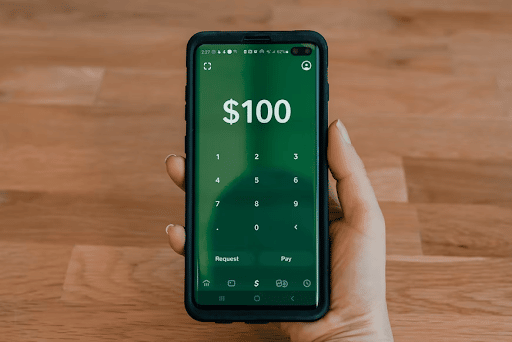

If you’re moving to Brazil, it’s very likely you’ll need to exchange a significant amount of currency. Many people lose out by using their bank, assuming it’s the only option. However, there are specialist currency exchange providers that offer more competitive rates and can help you save thousands. To find out how to make your money go further during your move, speak to one of our move managers, click here, or give us a call: +44 20 7097 5335.
We always advise taking out move protection liability cover with us on every move. Although we like to think we’re the best in the industry, the odd accident can occasionally happen. For added peace of mind, make sure to speak to one of our move managers about this.
Brazil drives on the right, meaning Brazilian roads use left-hand drive (LHD) vehicles. UK cars are right-hand drive. RHD vehicles are extremely uncommon in Brazil and may face significant difficulties with registration, insurance, and roadworthiness inspections.
The bigger obstacle is cost. Combining import duty, IPI excise tax, PIS, COFINS, and ICMS state tax, the total import burden on a vehicle can reach 85-100% of its declared value – this makes shipping a UK car to Brazil uneconomical in almost all cases.
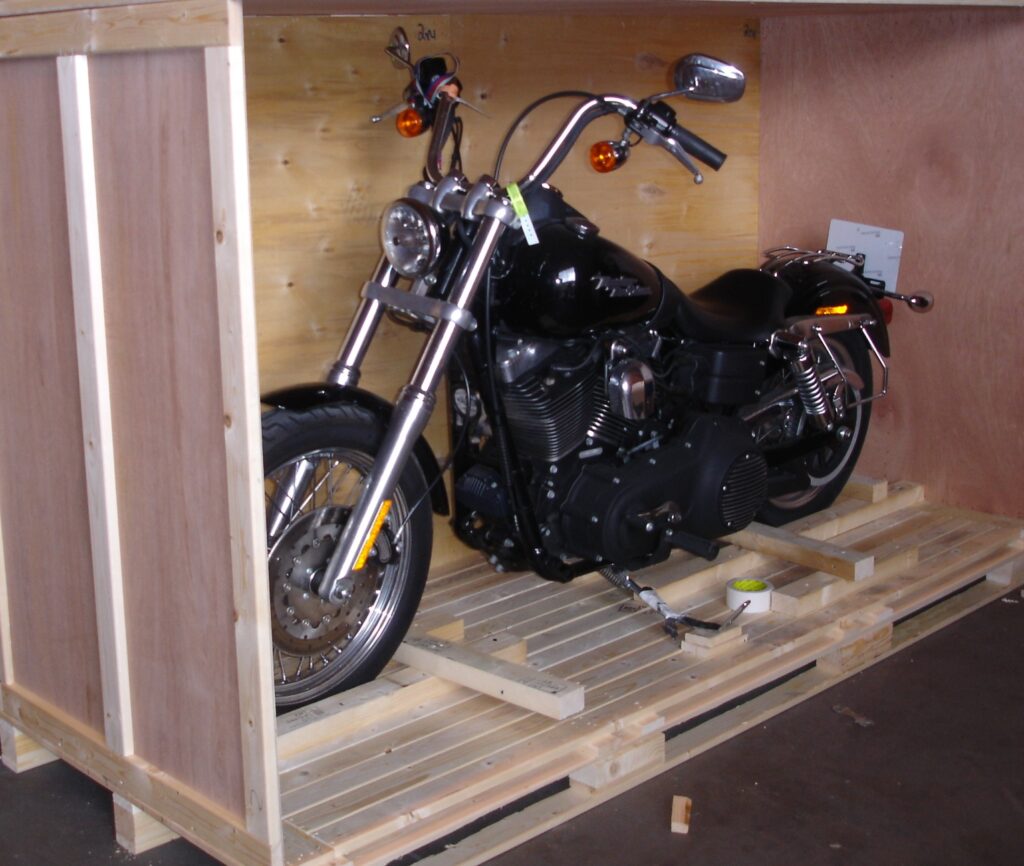
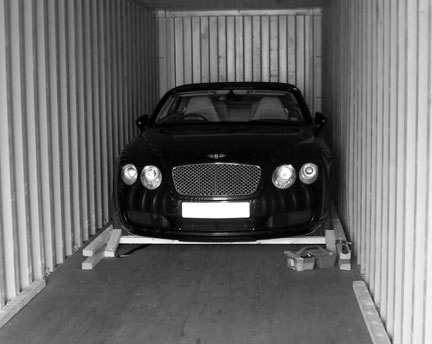
The permanent resident exemption: individuals moving to Brazil for the first time on a permanent visa, who haven’t spent more than 45 days in Brazil in the previous 12 months, may be eligible to import one vehicle duty-free within the first 6 months of arrival. This exemption has specific conditions – confirm eligibility with a Brazilian customs broker before planning vehicle shipping.
If you decide to ship a vehicle, your move manager can arrange transport by container. A Brazilian customs broker handles the import declaration and duty calculation.
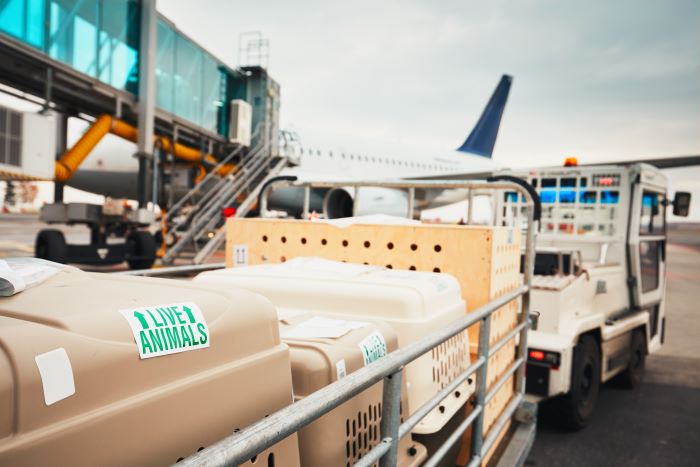
Brazil’s pet import process is managed by MAPA (Ministério da Agricultura, Pecuária e Abastecimento). For cats and dogs from the UK, you’ll need:
No mandatory quarantine applies to cats and dogs from the UK if documentation is complete. Brazilian customs veterinary inspectors carry out a physical inspection on arrival, and incomplete documentation can result in the pet being temporarily held. Pets should travel with their owner or arrive within a defined window of the owner’s arrival – pets shipped well before or after the owner are treated differently under Brazilian customs rules.
Other animals – birds, reptiles, rodents – require a separate MAPA import permit and much stricter controls. Contact a specialist pet relocator well in advance.
Generally permitted
Used household goods, furniture, clothing, kitchenware, and personal items, declared on the detailed Portuguese-language customs inventory with individual values. Items must be genuinely used; new items are not covered by the personal effects exemption.
Restricted: subject to additional requirements or duty
Prohibited
Note on food items: MAPA has strict rules on agricultural imports. Seeds, soil, fresh produce, meat products, and plant material are either prohibited or require phytosanitary certificates. If packing a kitchen, declare all sealed food items; expect some to be confiscated at customs regardless. The safest approach is to leave food behind and stock up locally on arrival.
The CPF is Brazil’s individual taxpayer identification number. It is required by the Receita Federal for customs clearance of your household shipment. Without a CPF, your shipment cannot leave the port. Apply at the Brazilian consulate in London before departure if possible.
Yes. Brazilian law requires the owner to be physically present in Brazil when the shipment clears customs. You cannot appoint someone to clear it on your behalf. Plan your arrival to precede your shipment’s estimated port arrival, with a buffer.
Groupage sea freight takes 8–12 weeks to Santos. FCL takes 6–9 weeks. Customs clearance after port arrival adds 5–15 business days. Allow 12–14 weeks as a realistic planning window from collection to delivery.
Your shipment must arrive in Brazil within 6 months of your own arrival. If your timeline is close to this window, your move manager will advise on the shipment departure date.
You need to be in Brazil on a valid visa status when your shipment clears customs – a tourist entry alone won’t satisfy the physical presence and CPF requirements for most household removals. Work, retirement, investor, digital nomad, and family reunion visas are the main routes; confirm which applies to your situation before your move manager schedules the shipment.
Groupage costs from £3,000 for smaller volumes. FCL for a three-bedroom household starts from approximately £5,500. A survey before booking gives you an accurate figure.
Your move manager can confirm whether your CPF status and planned arrival date make your shipment timeline workable. Getting the CPF sorted before departure and arriving in Brazil before your shipment does are the two things that make a Brazil move go smoothly; everything else is manageable from there.
Real feedback from people who chose our international moving company.
“Relocating to Brazil was a major move for our family, but the entire process was handled with professionalism and care. Communication was consistent throughout, and everything arrived safely and on schedule. It made settling into our new life far less stressful.”
“Our move to South America was organised brilliantly from start to finish. The team were responsive, efficient, and always available to answer questions along the way. Everything arrived in perfect condition, giving us real peace of mind.”
“Moving overseas to Brazil felt overwhelming at first, but the support we received made all the difference. Every detail was managed carefully, updates were clear throughout, and the whole experience was far smoother than we expected.”