Most things that go overseas in a removal container can, if the worst happens, be replaced. A sofa can be sourced again. A television can be bought at the destination. Even items that cost a significant amount of money, good furniture, kitchen equipment, have a monetary equivalent somewhere.
But some things cannot be replaced. The painting your grandmother left you. Your child’s first drawings. A vintage record collection built over thirty years. Your grandfather’s watch. A handmade piece of furniture from a craftsperson who no longer works.
When those items go into a container, the question of how to protect them deserves more attention than a standard “what’s included” conversation.
This article covers what actually happens to irreplaceable and high-value items during an international move, how protection works in practice, and what you can do at each stage of the move to reduce the risk of loss or damage.
What Risks Are You Actually Managing?
Understanding what can go wrong helps you make sensible decisions about what to ship, how to protect it, and what to carry with you.
Vibration and impact in transit
The largest risk during sea freight is not catastrophic events, it is the cumulative effect of vibration over 4–12 weeks at sea, combined with the handling at port (loading, stacking, unloading). Items that are inadequately secured within boxes, or boxes that are not properly braced within the container, move. They do not arrive broken in a dramatic way, they arrive with cracked frames, chipped edges, and loosened joints that were not there when they left.
Condensation and moisture
Sea containers pass through temperature and humidity zones that cause condensation inside the container, particularly on long routes (UK to Australia or New Zealand, for example). Items that are moisture-sensitive, wooden instruments, antique furniture with veneers, paper-based collections such as books, prints, or photographs, can be affected even in a sealed container. Specialist packing includes moisture-absorbent materials within boxes and wrapping that provides a moisture barrier.
Customs inspection
At some destinations, customs officers open and inspect containers. Items are removed, examined, and repacked. The repacking is rarely done to the same standard as professional packing. Fragile or specialist-packed items can be compromised at this stage. This is not something the removal company can fully control, but it is a reason why documentation should be precise and customs arrangements handled by people who know the destination.
Delivery at the destination
The final delivery, particularly at apartments in cities with restricted access, narrow stairways, or older lifts, involves physical handling of items in environments that professional packing teams from overseas did not survey. Your in-country delivery partner works to a high standard, but delivery conditions vary.
What Specialist Packing Involves
For items that need it, specialist packing is not simply using a thicker box.
Original artwork and framed pieces
Artwork is packed using acid-free tissue around the surface, corner protectors, and custom-cut foam inserts within a double-walled cardboard outer. Larger pieces are crated in timber, a wooden box built to the dimensions of the piece, braced internally so that the artwork does not contact the crate walls during movement. Mirrors are treated similarly.
Musical instruments
Instruments require packaging that accounts for changes in temperature and humidity, which affect tuning and structural integrity. String instruments are typically transported in their own cases (which then go into a protective box), with strings de-tensioned to reduce stress on the neck. Pianos require specialist handling at both ends, appropriate trolleys, corner guards, and, for grands, complete disassembly of the legs and lid.
Antique furniture
Veneered and marquetry furniture is particularly vulnerable to humidity and temperature variation. Specialist packing includes blanket wrapping followed by moisture-barrier shrink wrap, then a custom cardboard or timber outer depending on size and value.
Jewellery and watches
Items of this kind are typically carried in hand luggage rather than shipped in the container. If they are to be shipped, they must be individually wrapped and declared, and their value must be reflected in your move protection cover.
Books, photographs, and paper archives
Books are packed spine-down (not flat) with acid-free tissue between layers. Photographs and printed documents should be individually sleeved and packed flat. The box is sealed with moisture-absorbent silica gel sachets.
Wine and alcohol
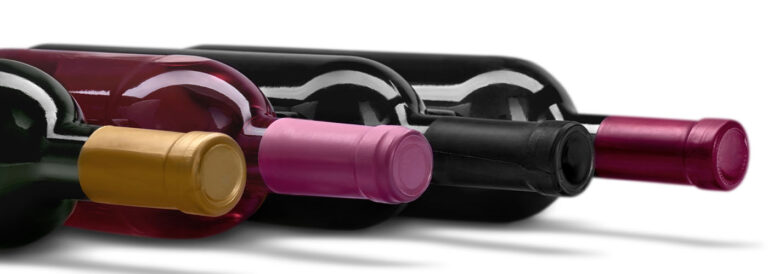
Specialist wine shipping is a separate service, temperature-controlled shipping is required for fine wine. Standard sea freight containers are not temperature controlled, and wine can be damaged by temperature variation during transit. If you have a significant wine collection, discuss dedicated wine shipping during your survey.
Understanding Move Protection
Most international removal companies offer two levels of coverage: standard carrier’s liability and declared value cover.
Standard carrier’s liability covers damage caused directly by the removal company’s negligence, typically calculated at a fixed rate per kilogram. The practical limitation: most damage during an international move is not caused by demonstrable negligence, it is caused by the cumulative effects of transit. Standard liability often pays out very little, or nothing, for damage that occurs in these circumstances.
MoveProtect declared value cover works differently. Before your move, you complete a valuation form listing the items you want to cover and their declared values (what it would cost to repair or replace them). You pay a premium based on the total declared value. If an item is damaged or lost during the move, the claim is assessed against the declared value, not a rate per kilogram.
For items with significant monetary value (original artwork, watches, jewellery, wine collections, specialist equipment), declared value cover is the meaningful option. For items with emotional but not financial value, family photographs, letters, handmade items that cannot be assigned a market value, the conversation is different. These items should be carried with you where at all possible.
The Valuation Form
The MoveProtect valuation form asks you to list items above a certain value threshold and assign a declared value to each. You do not need to list every item in your removal, only those above the threshold and those you specifically want to cover at declared value.
Completing this form properly is important. If an item is damaged and you have declared it at a value lower than its actual replacement cost, the settlement will reflect what you declared. If you are unsure of the value of an item, fine art and antiques in particular, an independent valuation before the move is worth the cost.
What to Carry With You (and What to Ship)
For some items, the answer to “how do I protect this” is simply “do not put it in the container.”
The following categories are generally better carried in your hand luggage or checked baggage:
- Jewellery, watches, and small valuables
- Prescription medications
- Passports, visas, and original documents (birth certificates, marriage certificates, financial documents)
- Small irreplaceable personal items, family photographs, handwritten letters, items with sentimental but not financial value
For items that can genuinely only be replaced with another item of the same type (an original artwork, a vintage instrument, a specific piece of furniture), the combination of specialist packing and declared value cover is the appropriate protection. For items that can only be remembered and not replaced at any price, carry them.
At the Delivery End: What to Do
If you notice visible damage at the point of delivery, the most important thing is: note it on the delivery paperwork before you sign.
Do not sign the delivery record as “all received in good condition” if you can see damage. Write the specific items damaged on the paperwork. Photograph the damage while the delivery team is still present. Then contact your move manager as soon as possible, do not wait until you have finished unpacking.
Damage discovered after signing the delivery record as clear is significantly harder to claim against. This is not about creating conflict with the delivery team, it is about making sure the record accurately reflects what happened so that your claim can be properly assessed.
Your move manager at Gerson Moving Services is your first contact for any damage claim. They know your file, know the items you declared, and will guide you through what to do next.
Talking Through Your Specific Items
If you have specific items you are concerned about, an inherited piece, a collection, something you have been told is valuable but are not sure how to handle, raise them at your survey. The professional surveying your home contents will advise on packing method, help you think through what to ship versus carry, and flag anything that needs specialist handling.
The survey is also when MoveProtect is discussed. It is not an add-on to think about later, the valuation form works best when it is completed with someone who has seen your items and can help you assign values accurately.