





Moving from the UK to Argentina – What the Removal Involves

Most guides about moving to Argentina cover visas, cost of living, and city comparisons. Very few address the part that UK movers find most confusing: how do you actually get your belongings there, and what happens when they arrive?

Argentina has a specific customs process that differs meaningfully from European and even most other South American destinations. This guide covers the mechanics of the move, customs documentation, port inspection, the residency rule that catches most UK movers by surprise, and what realistic timelines look like.

For lifestyle information about Buenos Aires, expat communities, and the best cities to live in, see our complete Argentina guide and best cities in Argentina for UK expats.


How UK Movers Enter Argentina

British passport holders can enter Argentina without a visa for up to 90 days. For a permanent or long-term move, you have three main routes:

Temporary Residency, the standard route for UK movers planning to live in Argentina. Applying in-country after entry. Required categories include: salaried employment, independent work (rentista), marriage or civil partnership to an Argentine national, and several others. Processing times vary but are typically 3–6 months.

Digital Nomad Visa, available for remote workers employed by companies outside Argentina. Requires proof of income and an employment or contract letter. Allows you to live and work in Argentina legally for up to 6 months, renewable.

Tourist Visa with Residency Application, many UK movers enter on a tourist visa (90 days, extendable by crossing a border once for a further 90 days) and begin the residency application process in-country. This is common but has a specific implication for your removal, see below.


The 6-Month Residency Rule: The Thing Most UK Movers Don’t Know

This is the most important thing to understand before you book your removal.

Argentine customs (AFIP, Administración Federal de Ingresos Públicos) grants full duty-free import of personal effects under transfer of residence relief to movers who have been legally resident in Argentina for at least 6 months. This is calculated from the date of entry with the appropriate visa.

If your belongings arrive in Argentina before you have been there for 6 months, you may not be entitled to full duty-free relief. The relief can only be claimed once every 5 years per person.

In practice, this means: if you arrive in Argentina in June and your shipment arrives in September (3 months later), your customs clearance may be assessed differently than if the same shipment arrived in January (7 months after entry).

The most common approaches UK movers take:

  1. Begin the temporary residency application before leaving the UK (possible in some cases with the Argentine consulate in London) and time the shipment to arrive after residency is formalised.
  2. Ship belongings to arrive close to or after the 6-month mark, plan the removal date around this, not around when you want your furniture.
  3. Accept that a partial or delayed customs clearance may apply and budget for it accordingly.

Your move manager can help sequence the removal booking around your residency timeline. This is a route we manage regularly; the interaction between your residency status and your customs entitlement is not something you should discover on arrival.


The Customs Documentation You’ll Need: AFIP Form OM-2126A

All household goods entering Argentina must be declared to AFIP, Argentina’s federal customs and tax authority. The key document is Form OM-2126A, the personal effects customs declaration.

The form requires:

  • A complete, itemised inventory of all goods in the shipment
  • Declared values for each category of goods
  • Evidence of the mover’s legal status in Argentina (visa, residency permit, or residency application number)
  • Certificate of origin for the shipment

The form is submitted by the in-country customs agent, the Argentine partner in our logistics chain, on your behalf. What you need to provide is an accurate, complete inventory. Discrepancies between the declared inventory and what is physically in the container are identified during the X-ray inspection, see next section.

This is standard process; it doesn’t require you to be a customs expert. It does require you to be accurate and complete in what you declare. Items that are not on the inventory are treated as undeclared imports and handled accordingly.


The Mandatory X-Ray Inspection at Port

Every containerised household goods shipment entering Argentina is subject to X-ray inspection at the port (typically Puerto Madero or Puerto Nuevo in Buenos Aires). This is a standard Argentine customs procedure and applies to all shipments, not just those flagged for inspection.

What this means in practice:

  • The X-ray is carried out by Argentine customs, not by the removal company
  • Items that cannot be clearly identified, or that appear on the X-ray to conflict with the inventory, are subject to physical inspection
  • Physical inspection adds time, typically 1–2 additional weeks, and costs charged by the port authority
  • The most common cause of physical inspection: audio-visual equipment (TVs, speakers, computers) that is listed but needs matching to the X-ray image

How to make this go smoothly: provide a detailed, itemised inventory that matches what is physically in the boxes. If you have audio-visual equipment, list it with make, model, and approximate age. The in-country customs agent uses the inventory to interpret the X-ray; the more precise the inventory, the smoother the clearance.


Shipping From the UK to Argentina: Timelines and Costs

Sea freight (groupage): Your belongings travel in a shared container with other shipments. The container departs from a UK port (typically Tilbury or Felixstowe) and arrives at Buenos Aires port.


Stage

Typical Time

Collection in the UK to container loading

1–2 weeks (depending on consolidation schedule)

Port-to-port transit (UK to Buenos Aires)

17–25 days

Customs clearance in Argentina

4–8 weeks (including X-ray inspection)

Local delivery (port to Buenos Aires address)

3–7 days

Total: collection to delivery

8–14 weeks


FCL (Full Container Load): If you’re shipping a large household (3-bedroom+), a dedicated container may be more cost-effective. Transit times are similar; customs clearance follows the same process.

Cost ranges (2026 estimates):

  • Groupage, 1-bedroom: from £2,500
  • Groupage, 2-bedroom: from £3,500–£4,500
  • FCL, 3-bedroom: from £5,000–£7,000

These are estimates; final costs depend on actual volume, insurance, and any port handling charges. For a more accurate figure, a pre-move survey is the starting point.

A note on port handling fees: Argentine port operations involve handling charges that are assessed locally. These are a standard cost of the route and are included in the overall cost structure by the in-country partner. Your move manager will discuss these as part of the quote process so there are no surprises on arrival.


Moving Your Car or Motorcycle to Argentina

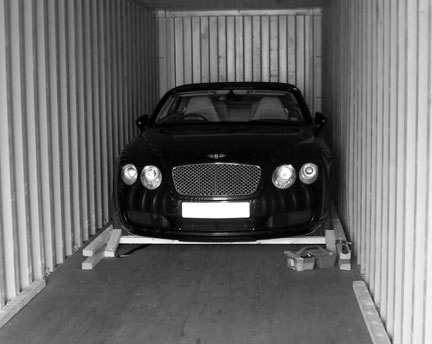
Importing a UK-registered vehicle to Argentina is possible but involves significant cost and process:

  • Import duty: 35% of the vehicle’s declared customs value. For most UK cars, this makes importing uneconomical, a £15,000 car would attract approximately £5,250 in duty before registration fees.
  • Re-registration: UK right-hand drive vehicles require a roadworthiness inspection (VTV, Verificación Técnica Vehicular). Argentina drives on the right, so RHD vehicles are legal but less common.
  • Practical reality: Most UK movers in Argentina sell their UK vehicle before leaving and purchase locally. Buenos Aires has a well-supplied used car market. However, if you have a vehicle with sentimental value or that is significantly valuable, speak to your move manager about whether import is worth exploring.

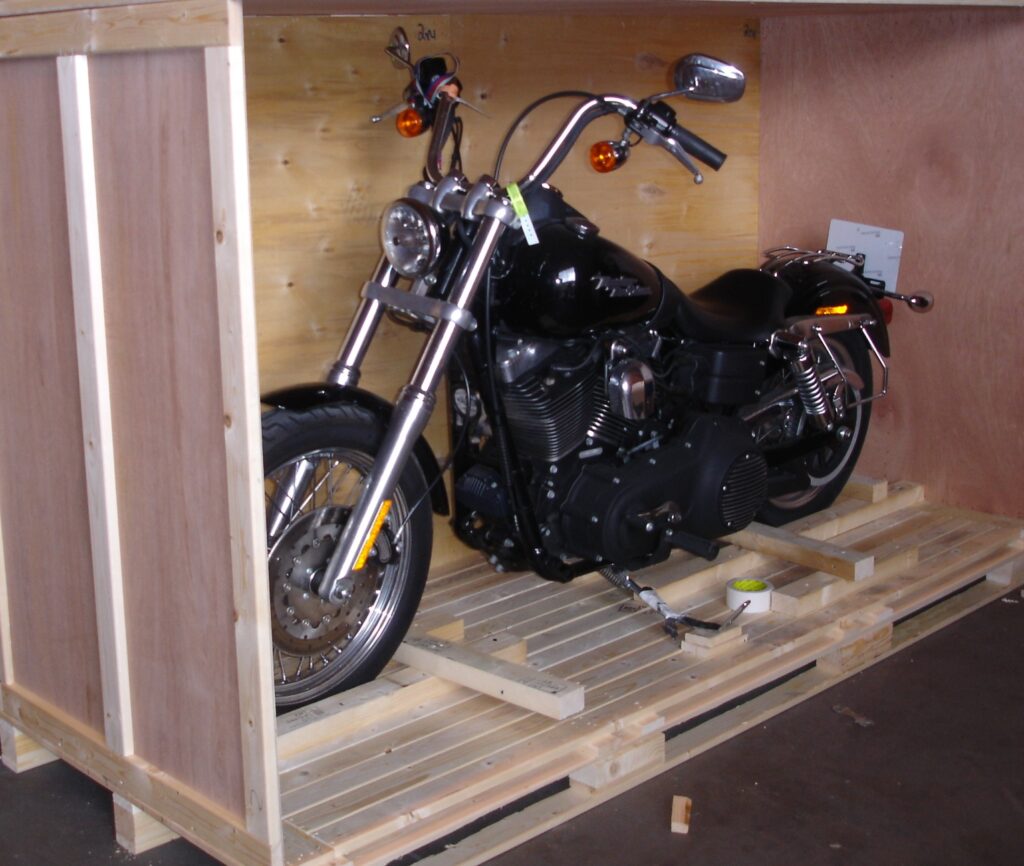
Motorcycles follow the same import duty structure; classic or rare motorcycles may have value that justifies the duty.


Relocating Your Pets to Argentina

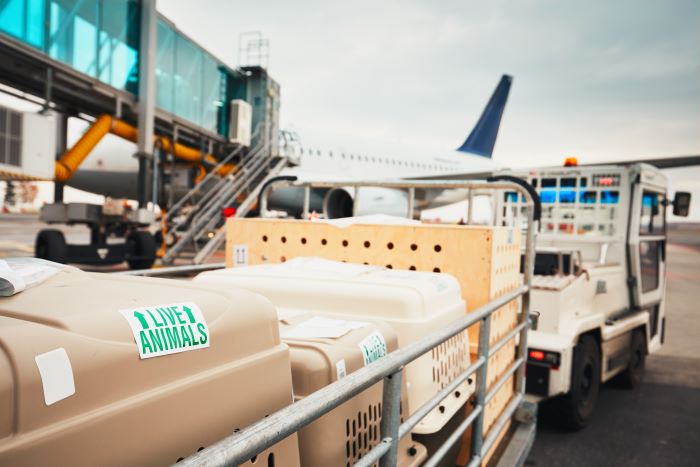
Argentina allows the import of cats and dogs from the UK with the following documentation:

  • Microchip: ISO-standard 15-digit chip required.
  • Rabies vaccination: Up to date. If not previously vaccinated, allow at least 30 days after vaccination before travel.
  • Official health certificate: Issued by a UK Official Veterinarian (OV) via APHA. The certificate must be issued no more than 10 days before travel.
  • Internal parasite treatment: Administered by a vet within 1–5 days before travel.
  • Import permit: Required from SENASA (Servicio Nacional de Sanidad y Calidad Agroalimentaria), Argentina’s agricultural health authority. Your vet or a specialist pet relocation service can assist with the SENASA permit application.

No quarantine applies to cats and dogs from the UK meeting the above requirements. Allow 6–8 weeks to complete the health certificate process from start to finish. Specialist pet relocators can manage the logistics; your move manager can refer you to trusted partners.


What You Can and Can’t Ship to Argentina

Generally Permitted

Personal household effects, furniture, clothing, books, electronics (declared), musical instruments, artwork, kitchen equipment, sports equipment, bicycles.


Restricted Items, Require Declaration or Permit

  • Firearms and ammunition: import permit from Argentine authorities required; complex process, specialist handling needed
  • Medications: personal quantities for documented medical needs, with prescription documentation
  • Audio-visual equipment: must be declared individually (make/model) due to X-ray inspection requirements
  • New items: items purchased within 6 months of shipment may be assessed for duty separately from the Transfer of Residence relief


Prohibited Items

  • Narcotics and controlled substances
  • Counterfeit goods
  • Agricultural products, soil, plant material (strict biosecurity enforcement)
  • Items that could be interpreted as politically, socially, or religiously sensitive content (Argentine customs has discretion here)

Practical rule: if you’re unsure whether something is permitted, declare it and let the customs agent assess it. Undeclared items create significantly more problems than declared items that turn out to be fine.

Frequently Asked Questions

You will need a detailed valued inventory of all household goods, a certificate of origin, and the AFIP form OM-2126A. Your removal company’s in-country partner in Argentina handles the submission process, but the paperwork must be accurate and complete. Discrepancies between the inventory and the physical shipment are flagged during the X-ray inspection, which is mandatory for all household goods shipments entering Argentina.

Sea freight groupage from the UK to Buenos Aires takes 17–25 days port-to-port. Allow a further 4–8 weeks for customs clearance. Total timeline from collection in the UK to delivery: typically 8–14 weeks.

Yes. Argentine customs grants transfer of residence relief to movers who have been legally resident for at least 6 months. Sequence your removal booking around your residency timeline, not the other way around. Your move manager can help plan this.

Form OM-2126A is the personal effects customs declaration form issued by AFIP, Argentina’s federal tax and customs authority. It must be completed for all household goods imported under transfer of residence relief and is submitted by the in-country customs agent on your behalf.

Yes. X-ray inspection is mandatory at Argentine ports for all containerised household goods. A complete and accurate inventory helps match what is shown on the X-ray to what is declared, minimising the chance of physical inspection.

Also See


Your move manager can walk you through the AFIP process and customs sequencing on the first call, including how to time your removal around your residency application. A pre-move survey is the starting point for an accurate cost.

Share the Post:

Related Posts